Feeling Less Motivated After Your Performance Review? You’re Not Alone
New Robert Walters research highlights growing pressure on employers to balance workforce engagement, progression expectations and cost control

New Robert Walters research highlights growing pressure on employers to balance workforce engagement, progression expectations and cost control
Over one-third (35%) of professionals say they feel less positive about their role following their last performance review, according to new research from global talent solutions partner Robert Walters.
With only 16% saying the process left them feeling more positive about their future, businesses are facing growing pressure to maintain workforce confidence and engagement heading into the second half of the year.
Andrew Powell, Chief Commercial Officer at Robert Walters, says, “Performance reviews are becoming increasingly important management moments, particularly as organisations look to balance worker needs while continuing to manage budgets. Employees want to know how their skills are valued, where they can progress and whether the business is investing in their long-term development.”
“At a time when workloads are under increasing strain, professionals need more clarity on how their skills and responsibilities are reflected in their compensation,” adds Habiba Khatoon, Director – Midlands at Robert Walters. “By offering workers this insight during performance reviews, managers are also given the opportunity to drive engagement and productivity within their teams.”
The Robert Walters Salary Survey 2026 also found that only 27% of professionals expect to have a salary review this year, while 56% say they are either unsure whether an increase will happen or do not expect one at all.
“Most professionals understand the economic pressures businesses are operating under and recognise that significant salary increases may not always be realistic,” adds Andrew. “But it can be challenging for organisations to keep employees motivated when they aren’t having regular open conversations around progression, future earning potential or how compensation decisions are made.”
The findings suggest that performance and salary reviews are carrying greater significance in today’s market, with professionals using these conversations to assess longer-term career prospects.
Indeed, 83% of professionals said they are either actively looking for a new role or open to new opportunities due to their current salary situation.
“We are seeing many organisations take a more strategic and measured approach to compensation management. Market data can play an important role in helping to understand where they are competitive, where progression gaps might exist and how salary expectations are evolving,” says Andrew.
To help business leaders make more informed decisions, the Robert Walters Salary Survey provides up-to-date insights into pay levels and hiring trends. The guide is designed to help leaders have transparent, evidence-based conversations with their teams about compensation and expectations.
“As the world of work continues to evolve, professionals are placing greater emphasis on long-term career value and future opportunities. Organisations that understand how workforce expectations are shifting will be better positioned to build engagement, develop critical skills and remain competitive over the longer term,” concludes Andrew.
Related Articles
-

The experience gap is also a trust gap
Young workers are told they need experience before they can be trusted with responsibility. But without trust, feedback and a chance to try, where is that experience supposed to come from?
6–9 minutes -

The team performance blind spot
Everyone in people management knows the toolkit: engagement surveys, culture audits, performance reviews. Organisations have never had more data about their people. Yet our research among more than 400 global tech leaders found that fewer than a quarter said their organisation has clear, aligned priorities. In other words, most lack a shared view of what…
3–4 minutes -
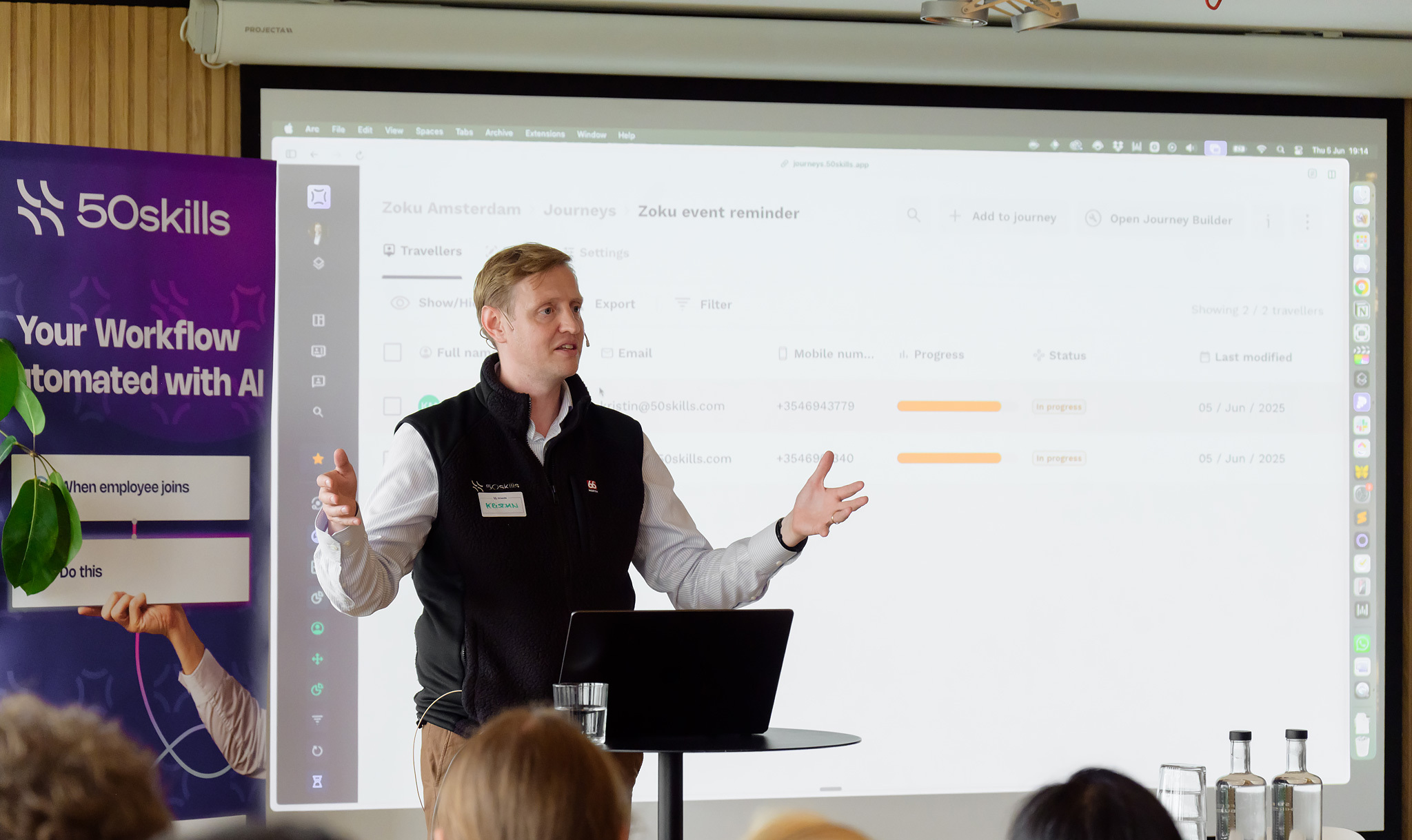
HR AI is moving from answering questions to running the workflow
50skills has raised $6 million after customers automated millions of people-process actions. The more interesting story is what happens when AI stops assisting HR and starts executing the work.
3–5 minutes
Most Read
Get it in your inbox
The EMEX weekly newsletter — insight for HR leaders every Thursday.
Advertisement