Change Management Has Overtaken Belonging as the #1 Engagement Driver : Perceptyx 2026 Data
Employee engagement drivers have shifted. For years, belonging sat at the top of the list for HR leaders. The latest data from the Perceptyx 2026 Benchmark Database reveals that change management is now the primary factor determining whether employees stay engaged. This shift marks one of the most significant changes in workplace sentiment recorded over…
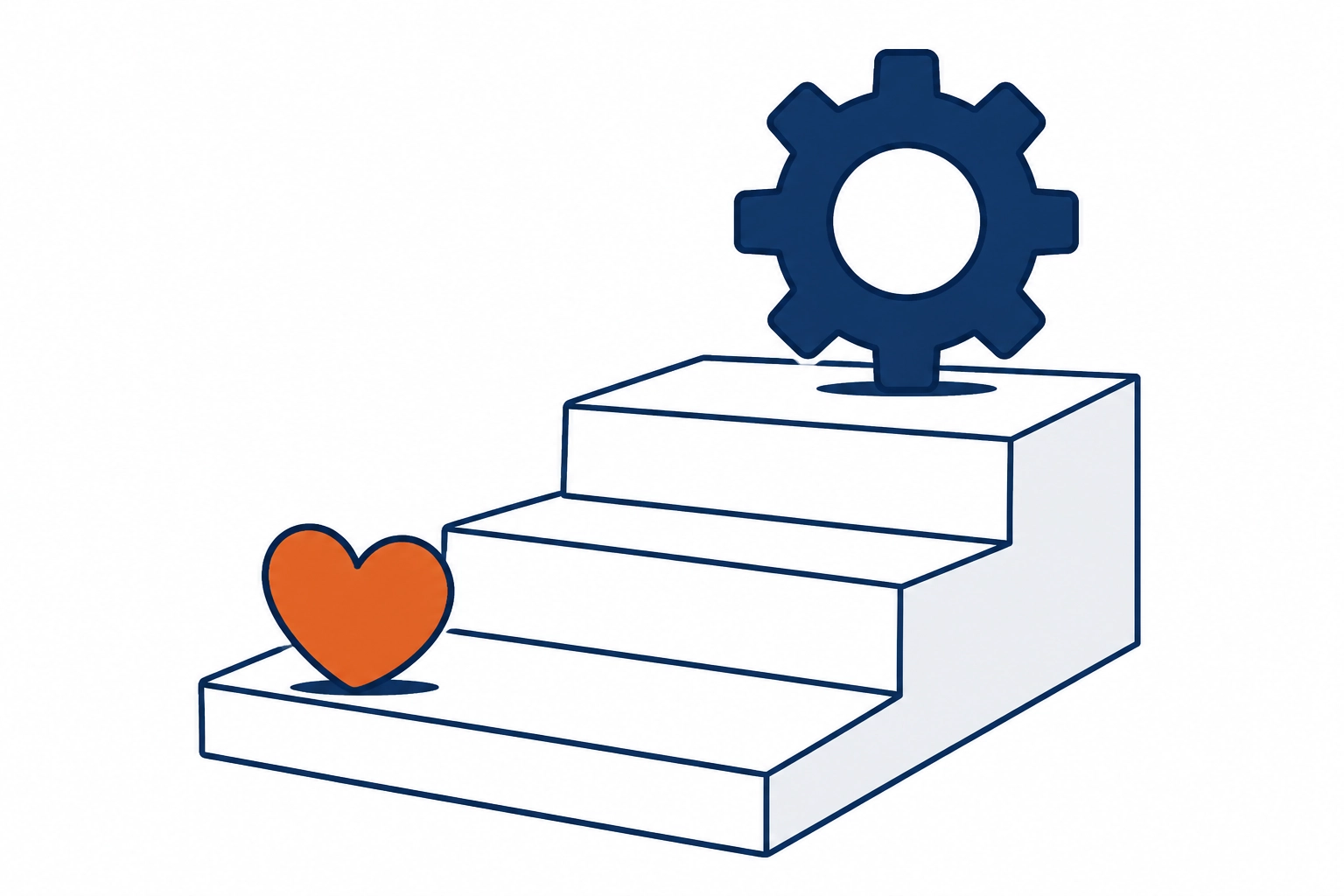
Employee engagement drivers have shifted. For years, belonging sat at the top of the list for HR leaders. The latest data from the Perceptyx 2026 Benchmark Database reveals that change management is now the primary factor determining whether employees stay engaged. This shift marks one of the most significant changes in workplace sentiment recorded over the last decade.
The 2026 database includes 23 million responses from 490 organizations across 113 countries. This massive scale provides a clear picture of the global workforce. While global engagement remains stable at around 81 percent, the reasons behind that engagement have evolved. Belonging, once the dominant force in workplace culture, has fallen to the bottom of the top five drivers.
The change management gap
Organizations are currently struggling to meet this new demand. Only 55 percent of employees rate their organization’s change management as favorable. This figure has declined for two consecutive years. There is a visible disconnect between how much employees value effective change and how well companies deliver it.
The data shows a clear link between engagement and change effectiveness. Highly engaged employees are 1.9 times more likely to report that their organization handles change well. When change goes poorly, engagement is often the first thing to break.
The support multiplier
Support is the most powerful tool for navigating organizational shifts. Employees who feel supported during periods of change are 5 times more likely to say that the change was handled effectively. This is the largest multiplier found in the entire dataset.
Support is not a vague concept. It consists of specific behaviors and structural choices. The Perceptyx data identifies three key areas where employees look for support:
- Involvement in decisions.
- Clear communication of the “why”.
- Being heard by leadership.

Understanding and involvement
Employees want to be part of the process. The benchmark shows that 68 percent of workers want direct involvement in decisions that affect their work. When employees feel involved, they are more likely to support the outcome.
Clarity is equally important. 69 percent of employees need to understand the underlying reason for a change. Without this context, shifts in strategy or structure often feel arbitrary. This lack of understanding leads to resistance and fatigue. Organizations that prioritize transparent communication see higher levels of trust and resilience. You can learn more about how communication champions bridge this gap between strategy and execution.
The power of being heard
Listening creates a sense of safety and support. Employees who feel their opinions are heard are 3 times more likely to feel supported during a transition. This creates a feedback loop that strengthens the organization.
When people feel heard, they are more willing to adapt to new ways of working. This requires more than just a survey. It requires visible evidence that feedback influences the final decision. This is a core part of building a strong leadership credo that prioritizes the human experience during times of high stress.
Leadership favorability
Leadership plays a decisive role in these outcomes. Currently, 61 percent of employees rate their leaders favorably when it comes to leading change. While this is a majority, it leaves a significant portion of the workforce feeling uncertain about their direction.
Leaders who succeed in this environment focus on empathy and clarity. They move away from top-down mandates and move toward collaborative transitions. They recognize that the recognition gap often widens during change, and they take active steps to validate employee efforts through the transition.

Priorities for HR leaders
The shift from belonging to change management requires a change in strategy. HR teams must focus on the mechanics of transitions.
- Prioritize support systems that make employees feel bolstered during shifts.
- Explain the reason for every major change before implementing it.
- Create formal channels for employees to influence decisions.
- Train leaders specifically on the relational aspects of change management.
- Monitor engagement levels as a leading indicator of change success.
Effective change management is no longer a secondary skill for HR. It is the primary engine of employee engagement in the modern workplace. Organizations that master this will maintain a competitive advantage in an increasingly volatile market.
Review your current change management protocols to ensure they prioritize employee involvement and clear communication.
Related Articles
-

Emotion Recognition at Work Is Now Illegal in the EU. The Rest of the World Is Still Deciding
Emotion recognition at work is banned under EU law. Here’s the test HR leaders everywhere can use before any monitoring tool goes live.
4–6 minutes -

The AI Upskilling Wave: Why HR Must Lead Skills Strategy Before the Gap Widens
AI upskilling is moving from an HR initiative to an enterprise skills strategy. SHRM and Gallup data show why managers, plans and support matter.
7–10 minutes -

The mental load advice FALLING on the people already carrying the most
Every fix for mental load adds work, and it all lands on managers. The useful question is what gets taken away, and why nobody in the business owns removal.
6–8 minutes
Most Read
Get it in your inbox
The EMEX weekly newsletter — insight for HR leaders every Thursday.
Advertisement