AI Was Cited in Over 100,000 Layoffs This Year : What That Means for HR
In the first six months of 2026, the 101,743 cuts attributed to AI indicate a massive acceleration in technology adoption
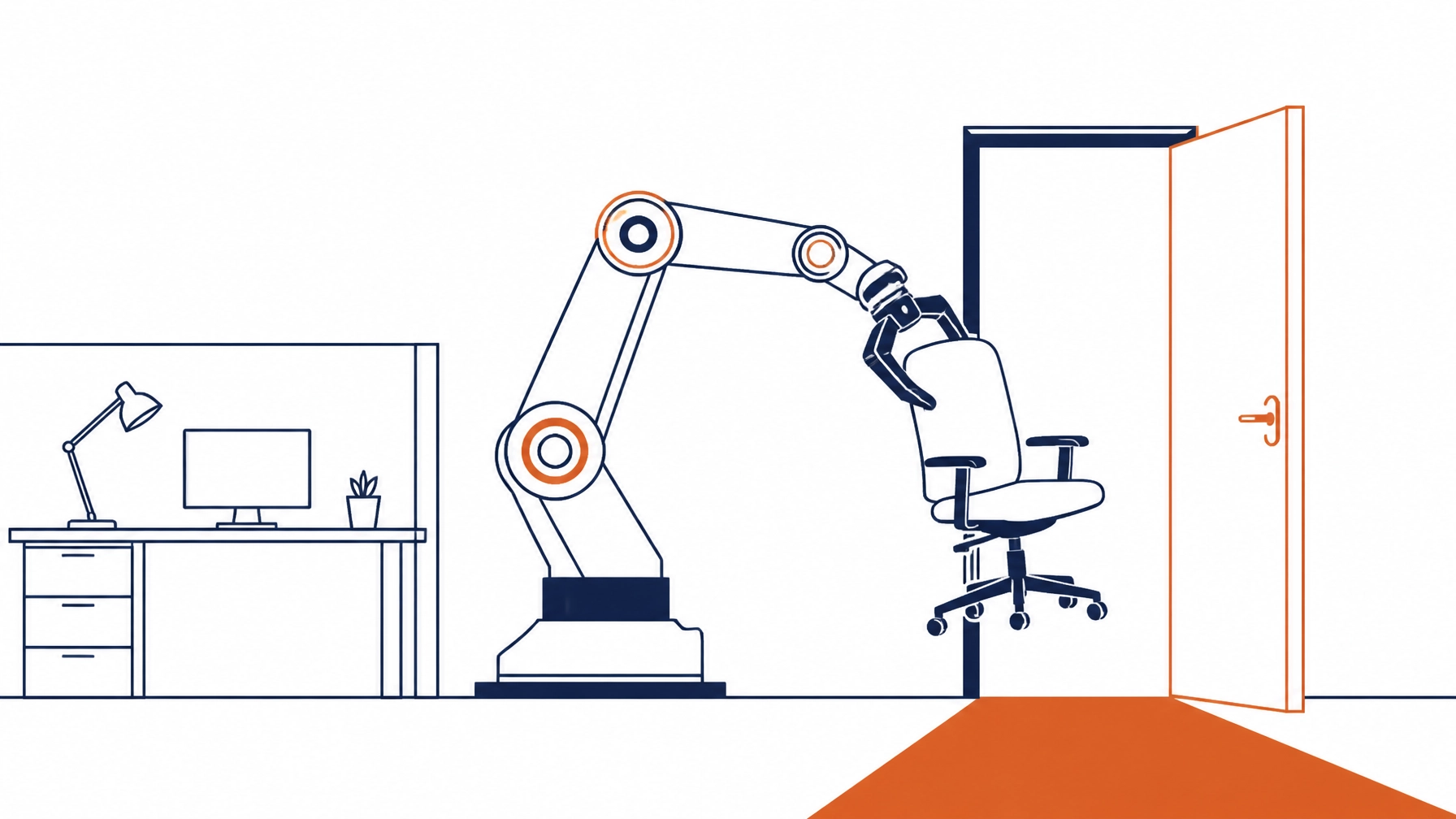
Artificial intelligence moved from a theoretical corporate interest to a primary driver of job loss in the first half of 2026. Data from the latest Challenger, Gray & Christmas report shows that employers now cite AI as a leading cause for workforce reductions. This shift represents a fundamental change in how companies approach efficiency and head count.
Through July 1, 2026, companies cited AI in 101,743 job cuts. This figure represents 23% of all U.S. layoffs for the year so far. For HR leaders, these numbers signal a transition. AI is no longer just a tool for productivity. It is a catalyst for organizational restructuring.
The scale of these cuts suggests that businesses are moving past the experimentation phase with automated systems. They are now actively replacing specific roles with software and machine learning models. This trend forces a new priority onto the HR agenda. Leaders must manage the immediate impact of layoffs while redesigning the remaining roles for an automated environment.
Breaking Down the 100,000 Milestone
The report from Challenger, Gray & Christmas highlights a steep increase in AI-related job cuts compared to previous years. In the first six months of 2026, the 101,743 cuts attributed to AI indicate a massive acceleration in technology adoption. These cuts did not happen evenly across the year.
The data shows a concentrated spike in the second quarter. Companies are citing “technological updates” and “AI integration” as the formal reasons for these separations. This allows them to distinguish these cuts from general economic downturns or poor performance. It marks AI as a strategic choice for efficiency.
Since Challenger started tracking AI as a specific reason for layoffs in 2023, the total number of cuts has reached 173,568. Over 58% of that total occurred in the last six months alone. This acceleration shows that the pace of AI adoption is outstripping previous industry forecasts. HR departments are often the ones left to manage the fallout of these rapid shifts.

The June Surge and What It Reveals
June 2026 provided a glimpse into the future of U.S. labor trends. While overall job cuts across the country dropped by 53% compared to May, AI-driven cuts rose to their highest percentage yet. U.S. employers announced 45,849 job cuts in June. AI led all reasons for these cuts.
In June alone, 14,029 positions were eliminated due to AI. This accounts for 31% of all layoffs for that month. Even as the broader economy showed signs of stabilizing with fewer total layoffs, AI became a more dominant reason for the cuts that did occur.
This monthly data tells a specific story. Companies are not just cutting staff because of market pressure. They are cutting staff to make room for automated systems. This makes AI adoption a core component of modern business strategy. HR professionals must recognize that these cuts are often permanent removals of specific job functions rather than temporary staff reductions.
Impact on Workforce Planning
The rise in AI-related layoffs changes the requirements for effective workforce planning. Traditional planning often relies on historical data to predict future hiring needs. That model fails when technology suddenly eliminates the need for entire departments. HR leaders must now build more flexible models.
Review your current organizational structure to identify roles with high automation potential. These roles typically involve repetitive data entry, basic content creation, or high-volume customer service. Understanding where AI can intervene allows you to prepare your staff for transitions before a layoff becomes the only option.
Strategic workforce planning now includes these actions:
- Mapping existing skills against the capabilities of current AI tools.
- Identifying “bridge roles” that help employees transition from automated tasks to more complex work.
- Auditing technology spend alongside payroll to see where automation is replacing human hours.
Planning for an AI-driven workforce requires constant communication with the IT and operations teams. If the company purchases a new automation platform, HR must immediately assess the impact on head count. Staying ahead of these technical changes prevents the need for sudden, large-scale layoffs that damage company culture.

Prioritizing Talent Retention
Layoffs of this scale create significant anxiety for the employees who remain. When a colleague loses their job to a software program, the remaining staff begins to question their own longevity. This fear can lead to decreased productivity and higher turnover among your top performers.
Effective talent retention during an AI transition depends on transparency. Employees need to know how the company plans to use AI and how it will impact their specific roles. Vague statements about “future-proofing” the business are often insufficient. They can actually increase stress.
Focus your retention efforts on these areas:
- Provide clear timelines for technology implementation.
- Offer internal training programs that help employees work alongside AI.
- Create new career paths that emphasize human-centric skills like complex problem-solving and emotional intelligence.
Staff who see the company investing in their development are less likely to leave for a more “stable” competitor. Retention is not just about keeping people in their seats. It is about keeping the right skills inside the organization as the job market changes.

The Skill Shift in Human Resources
The data from the Challenger report also implies a shift for HR professionals themselves. As AI takes over more administrative and analytical tasks, the HR role becomes more focused on change management. Dealing with 100,000 layoffs across the industry requires a high level of expertise in organizational design.
HR leaders must become advocates for responsible AI use. This means participating in the selection of AI vendors to ensure the technology aligns with the company’s long-term human capital goals. It also means managing the ethical implications of replacing human labor with machines.
Developing a curriculum for upskilling is now a mandatory task for people leaders. You cannot wait for the education system to catch up to the pace of industry. You must build the learning environment your company needs. This ensures your workforce remains relevant even as AI capabilities expand.
Designing the Future of Work
The 101,743 layoffs cited in the first half of 2026 are likely only the beginning. As AI models become more sophisticated and less expensive to run, more companies will choose automation over traditional hiring. This is a structural shift in the global economy.
HR has a unique opportunity to guide this transition. Instead of merely reacting to layoff announcements, you can lead the conversation on how to integrate human ingenuity with machine efficiency. This requires a deep understanding of your business’s core value. Determine what only your people can do and build your organization around those strengths.
Maintain a focus on the human experience during these transitions. Technology can replace a task, but it cannot replace the culture and community that drive a business forward. Protecting that culture while embracing AI is the most significant challenge for HR in 2026.

Monitor the monthly reports from Challenger, Gray & Christmas to stay informed on these trends. Use this data to benchmark your own company’s progress and to justify investments in employee retraining. The goal is to move beyond the cycle of layoffs and toward a sustainable model of human-AI collaboration.
Related Articles
-

Leaders Say AI Is Saving Time. Workers Are Less Convinced.
Vertage research finds 71% of leaders say AI adoption has increased capacity, against 43% of workers. What HR should ask about the time AI frees up.
2–3 minutes -

AI and Labour Relations: Employers Expect Organising, Few Feel Ready
Only 9% of employers feel very prepared for AI and labour relations, yet 87% expect unions to use AI fears to organise, a Littler survey finds.
3–5 minutes -

Forget the Four-Day Week. What Happens When AI Does a Third of Your Job?
At Employee Benefits Live 2026, conversations about AI, fair pay, childcare and employee wellbeing led me to a question for HR and reward leaders: if AI frees up 12 hours of someone’s working week, does that time belong to the employer or the employee?
5–7 minutes
Most Read
Get it in your inbox
The EMEX weekly newsletter — insight for HR leaders every Thursday.
Advertisement