Global Engagement Just Hit 20% : the Lowest Since 2020. Gallup 2026 Report
Global employee engagement dropped to 20 percent in 2025 according to the latest Gallup State of the Global Workplace 2026 report. This figure represents the lowest level of engagement recorded since 2020. The decline marks a second consecutive year of falling numbers. Most employees today show up to work without any emotional or psychological connection…
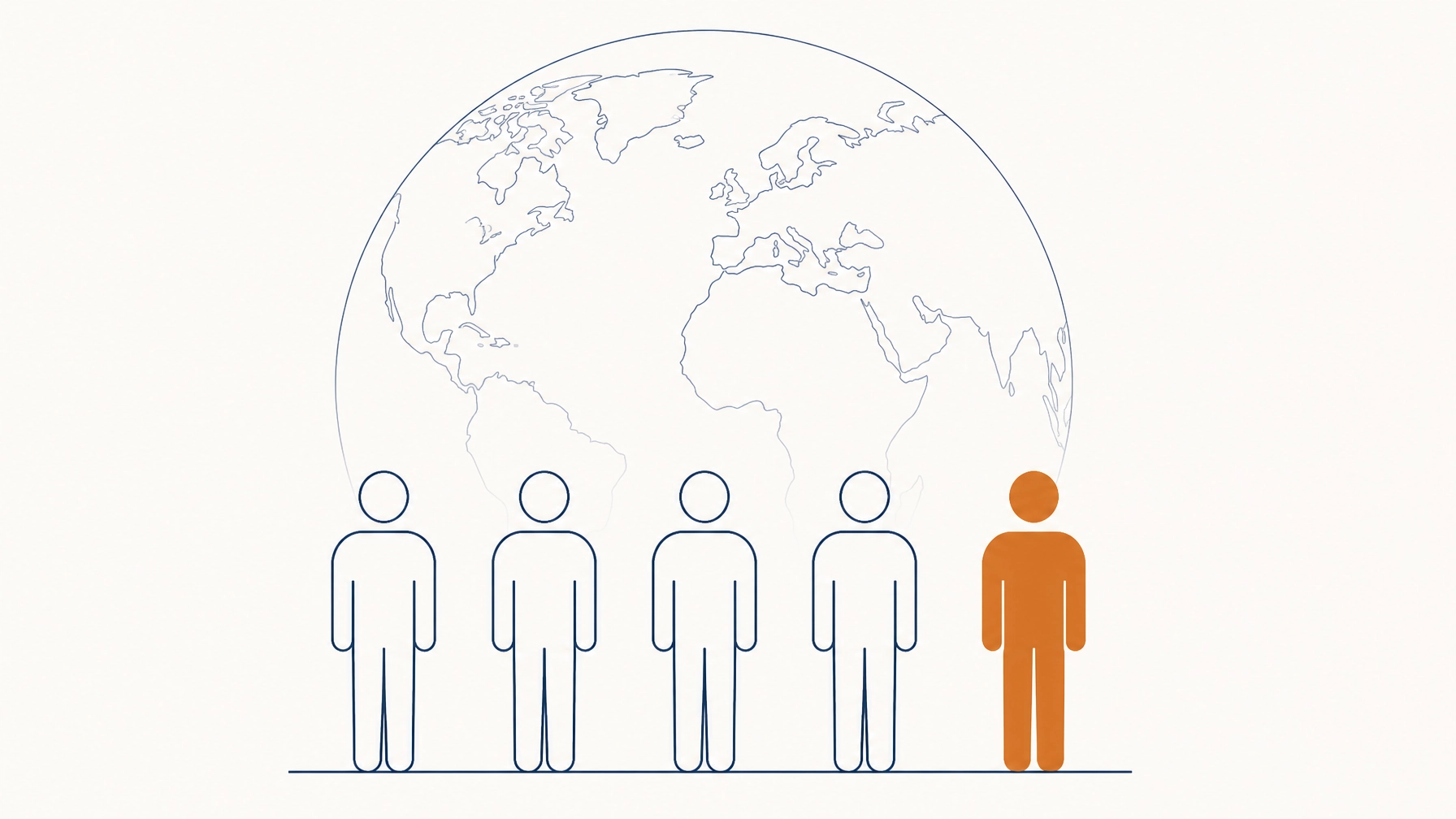
Global employee engagement dropped to 20 percent in 2025 according to the latest Gallup State of the Global Workplace 2026 report. This figure represents the lowest level of engagement recorded since 2020. The decline marks a second consecutive year of falling numbers. Most employees today show up to work without any emotional or psychological connection to their roles.
The economic consequences of this trend are staggering. Gallup estimates that low engagement costs the global economy 10 trillion dollars annually in lost productivity. This loss accounts for roughly 9 percent of global GDP. When four out of five workers remain disengaged, businesses struggle to innovate, retain talent, and maintain profitability.
The Financial Cost of Disconnection
Businesses lose massive amounts of capital because of disengaged workers. The 10 trillion dollar figure is not a abstract number. It represents real-world losses in output and efficiency.

Low employee engagement impacts the bottom line in several direct ways:
- Higher turnover rates increase recruitment and training costs.
- Reduced productivity leads to missed deadlines and lower quality of service.
- Poor workplace culture drives away top performers who seek better environments.
- Increased absenteeism disrupts daily operations and project timelines.
Managers often overlook the cumulative effect of these factors. Every disengaged employee functions as a drain on the resources of their team. When 80 percent of the global workforce feels disconnected, the systemic impact slows down the entire global market. Organizations must view engagement as a core financial metric rather than a soft HR goal. You can find more data on how these trends affect the future of the workforce in our analysis of AI skills and future work.
A Crisis in Workplace Culture
Workplace culture suffers when engagement levels bottom out. A culture of disengagement creates a vacuum of leadership and initiative. In many organizations, the remaining 20 percent of engaged employees carry the burden for everyone else. This imbalance leads to burnout for high achievers and stagnation for everyone else.

Leaders often misdiagnose the problem. They focus on perks or office amenities while ignoring the fundamental need for meaningful work. Gallup's data suggests that employees want clear expectations and a sense of purpose. Without these elements, employee engagement will continue to slide.
The current landscape requires a shift in how leaders communicate. Stale internal communications strategies fail to reach a workforce that feels ignored. Attending specialized industry events like the Internal Communications Conference 2026 can help leaders find better ways to bridge the gap between management and staff.
The Wellbeing Connection
Employee wellbeing directly influences engagement levels. The 2026 report highlights a growing gap between what employees need and what employers provide. Workers are experiencing higher levels of stress and anxiety than in previous years.

A workforce that feels physically or mentally exhausted cannot perform at a high level. Many leaders treat wellbeing as a separate initiative from productivity. Gallup's findings show that these two concepts are inseparable. Organizations that prioritize mental health and work-life balance see higher engagement scores and lower costs associated with burnout.
Practical steps for improving wellbeing include:
- Setting clear boundaries between work and home life.
- Providing access to mental health resources and support systems.
- Encouraging regular breaks and time off to recharge.
- Fostering a supportive environment where employees feel safe to speak up.
Leaders looking for deep dives into these topics should consider joining the Wellbeing at Work UK Summit 2026. Learning from peers who successfully manage these challenges provides a roadmap for your own organization.
The Role of Data in Engagement
Measuring engagement is the first step toward fixing it. Many companies rely on annual surveys that provide outdated information. Real-time data allows leaders to identify issues before they become systemic problems. The decline to 20 percent engagement suggests that many organizations lack the tools to monitor employee sentiment effectively.
Data-driven decision making helps HR leaders move away from guesswork. By tracking key performance indicators related to culture and morale, you can implement targeted interventions. The HR Analytics Summit 2026 offers insights into the latest tools for measuring and improving the employee experience.
Taking Strategic Action
Improving global engagement requires more than a simple policy change. It demands a total rethink of the relationship between the employer and the employee. Leaders must stop viewing workers as replaceable assets and start treating them as essential partners in success.
Focus on these key areas to reverse the trend:
- Improve management quality by training leaders in empathy and communication.
- Align individual goals with the broader mission of the company.
- Recognize and reward contributions consistently and fairly.
- Create paths for professional growth and skill development.
The Gallup 2026 report serves as a warning for the global business community. A 20 percent engagement rate is unsustainable. Companies that ignore this data risk falling behind competitors who prioritize their people. High engagement is a competitive advantage that drives innovation and secures long-term growth.
Start by auditing your current culture. Speak to your teams and listen to their concerns. Engagement begins with trust. Building that trust requires consistent action and a genuine commitment to the people who power your business.
Read the full State of the Global Workplace 2026 report directly from Gallup.
Related Articles
-

Meta AI Adoption Revealed: Behind the curtain at Meta, 3 ways AI is already changing work
Meta AI adoption has gone from encouragement to expectation in a year. The company has reorganised thousands of jobs around AI and pushed employees to become AI-native. It has started testing an autonomous agent called Hatch. And its AI chief, Alexandr Wang, has just moved everyone’s internal conversations from Google Chat to Slack.
4–6 minutes -

What Happens When Recruitment Stops Parsing CVs and Starts Asking AI?
The PDF CV was built for an era when recruitment software needed one predictable file. Large language models can understand a career across several sources, which means the document is losing its claim to be the centre of hiring. By Javier Martínez, founder and CEO of Self A PDF is excellent at preserving the layout…
4–5 minutes -

Job architecture in the ai era: loveholidays’ head of engineering says releasing code is no longer an engineering job.
Dmitri Lerko is head of engineering at loveholidays. For the past year he has watched people who are not engineers release code to a website that sells holidays to millions. Product managers. Designers. People from the commercial team. “Everybody is a builder,” Lerko says. “Making changes to our applications, infrastructure, and deploying code is no…
4–6 minutes
Most Read
Get it in your inbox
The EMEX weekly newsletter — insight for HR leaders every Thursday.
Advertisement