Meet the employees turning corporate life into lifestyle content
Not so long ago, the aspirational working life on social media involved escaping it. Now, younger workers are starting to turn corporate life into aspirational content.
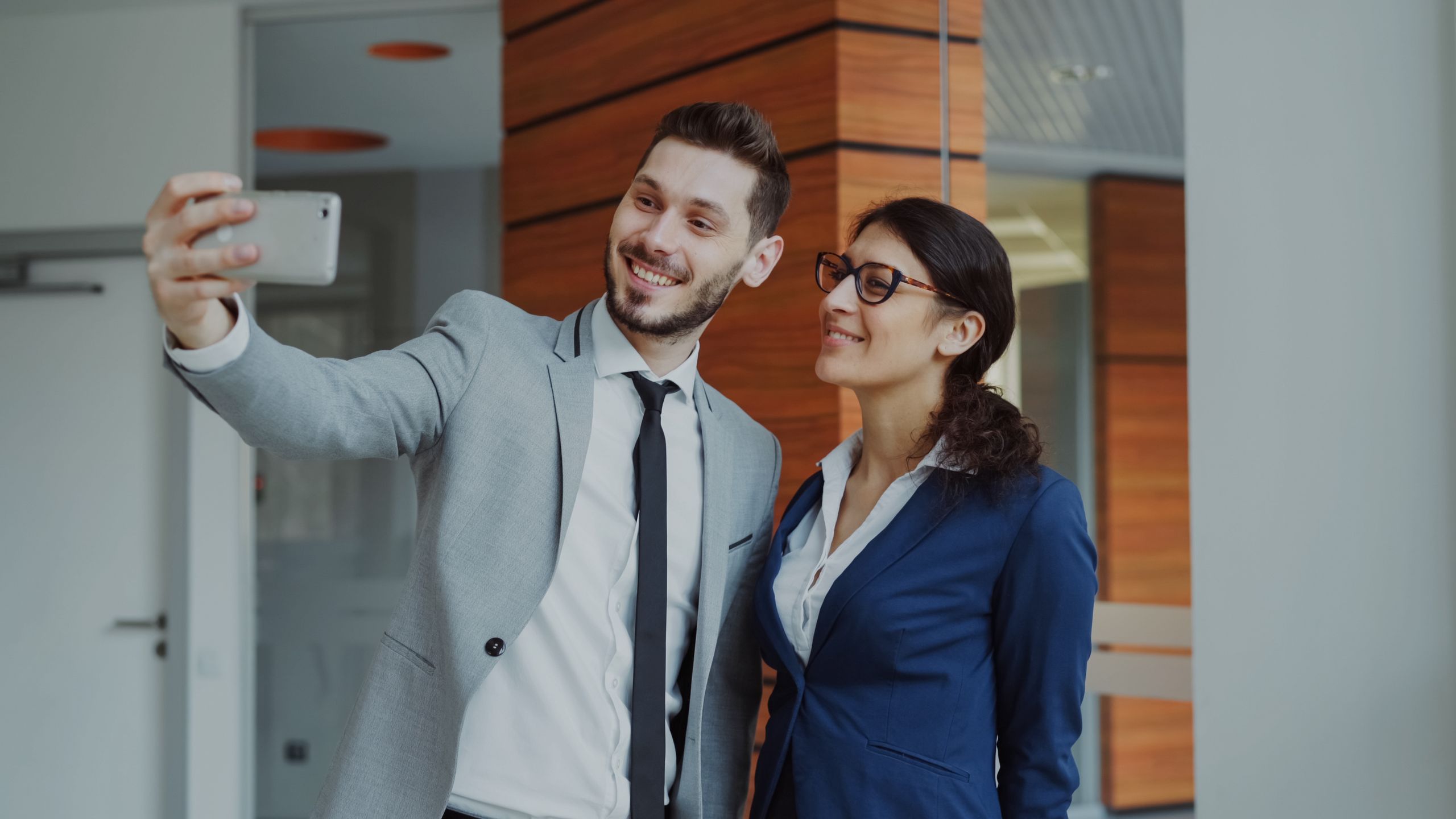
Apparently, the office has had a rebrand.
Not so long ago, the aspirational working life on social media involved escaping it. Work from Bali. Quit your corporate job. Become a digital nomad. Answer emails from somewhere with considerably better weather.
Now, a different kind of working life is appearing on TikTok and Instagram.
Welcome to the world of the office influencer.
A recent Financial Times piece highlighted a growing group of young professional creators documenting their corporate routines online. There are early alarms, gym sessions, carefully assembled outfits, commuter trains, immaculate desks and, inevitably, matcha.
There is often only one thing missing: much information about the actual job.
The meeting may remain mysterious. The spreadsheet certainly does. But the walk into the building? Beautifully documented.
When the commute becomes content
There is something wonderfully strange about watching ordinary office life become aspirational.
Things that employees have spent years complaining about are suddenly getting the lifestyle treatment. The commute becomes a morning ritual. The work pass becomes part of the outfit. Buying a coffee before logging on looks less like an expensive habit and more like a tiny act of personal branding.
Even the office itself can become scenery.
It would be easy to dismiss all this as another social media aesthetic. But there is probably something more interesting going on.
Many of the people entering the workforce now spent important years of education and early adulthood disrupted by the pandemic. University bedrooms became lecture theatres. First jobs started from kitchen tables. The informal bits of learning how to be a working adult were often missing.
How do people dress for work? What does a commute actually feel like? When does everyone eat lunch? What does a normal Tuesday in an office look like?
For previous generations, much of this was absorbed simply by turning up.
For some younger workers, social media may now be providing part of the instruction manual.
Work is an identity too
The trend also says something about our complicated relationship with work.
The office has spent years being discussed mainly as a problem to solve. Should people come in twice a week or three times? Which days? Who gets an exemption? Are there enough desks? Has anyone booked the meeting room?
But workplaces are more than containers for productive activity.
They give people routines, relationships, social cues and a sense of progress. They provide places to go and people to see. They can even give shape to the day.
That does not mean everyone secretly wants to be in an office five days a week. They absolutely do not.
Nor does a beautifully edited morning commute prove that the great return-to-office debate has been settled by a woman carrying an iced coffee.
It does suggest, though, that employers should be careful about treating the workplace purely as a location.
For some employees, particularly those earlier in their careers, being somewhere can be part of becoming someone.
Your employee experience may already be public
There is another intriguing angle for employers.
These creators are producing a kind of unofficial employer branding, whether their organisations planned it or not.
A workplace with good food, sociable spaces, attractive surroundings and people who seem happy to be there suddenly has an audience far beyond its own employees. The everyday details of working life can become part of how outsiders imagine the company.
That creates obvious questions around confidentiality and social media policies. Nobody needs this trend to end with the quarterly numbers accidentally visible behind somebody’s “come to work with me” video.
But there is also an opportunity.
For years, employer branding has often relied on highly produced videos explaining what it is really like to work somewhere.
Increasingly, employees are showing people themselves.
And perhaps the most interesting thing about office influencers is not that they make corporate life look glamorous.
It is what they choose to glamourise.
Not usually the strategy deck. Not the annual report. Not even the job title.
It is the coffee with a colleague. The outfit. The train. The desk. The little rituals that turn work into a life.
Employee experience teams might want to pay attention.
Because apparently the humble lanyard has become content.
Related Articles
-
Leading through uncertainty: Why employees don’t need leaders with all the answers
One of the biggest leadership lessons I’ve learned is that employees don’t actually need you to have all the answers. That’s fortunate, because right now many leaders are figuring things out in real time themselves. AI is changing how work gets done. Roles are evolving. Skills requirements are shifting faster than many organisations can track. Employees are asking…
3–5 minutes -
87% of organisations are underprepared for change, global research finds
New research from Insights suggests organisations may be mistaking experience of change for readiness, with the least-prepared businesses more than twice as likely to report falling productivity. Nearly nine in ten organisations were not highly prepared for their most recent significant organisational change, according to global research published today by people development company Insights. The…
3–4 minutes -
There is still work to be done for women in tech
Women’s equality continues to be pursued, but there is still significant ground to cover. Between 40,000 and 60,000 women leave the UK technology sector every year, highlighting how challenging it can be to sustain a career in the industry. We still need to address the biases that affect representation and remove obstacles that prevent women from advancing at the same…
5–7 minutes
Most Read
Get it in your inbox
The EMEX weekly newsletter — insight for HR leaders every Thursday.
Advertisement