Five eating habits that may signal burnout at work
In a Nutshell Burnout does not only show up in absence data, engagement scores or productivity reports. It also shows up in the small habits of the working day: skipped meals, stress snacking, caffeine dependency, energy crashes and reaching for whatever is quickest because there is no time or headspace to choose anything else. New…
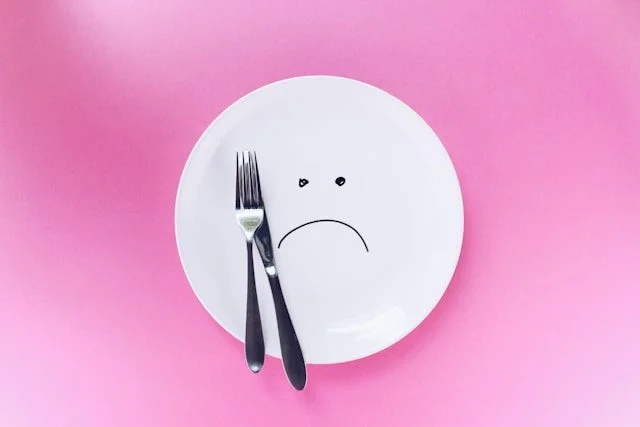
In a Nutshell
- Burnout shows up in everyday food habits, not only in absence data and engagement scores: skipped meals, caffeine dependency, stress snacking and energy crashes can all flag a working day that has become hard to sustain.
- In a Lifesum survey of 5,000 Gen Z and millennial employees, 81% said they would consider leaving a job due to stress and 48% said work pressure harms their personal wellbeing.
- Nutrition will not fix burnout, and using it to shift responsibility onto employees misses the point. Food habits are evidence about whether the day leaves room to recover.
- The practical test for employers is simple: do people have permission to pause, and are managers modelling it?
Burnout does not only show up in absence data, engagement scores or productivity reports. It also shows up in the small habits of the working day: skipped meals, stress snacking, caffeine dependency, energy crashes and reaching for whatever is quickest because there is no time or headspace to choose anything else.
New insights from the global nutrition platform Lifesum suggest workplace strain is increasingly visible in how employees manage energy, focus and food across the day. That does not make nutrition the answer to burnout.
“If people are exhausted because they are under-resourced, poorly managed or working in a culture that rewards constant availability, lunch is not going to fix the operating model.”
Eating habits can still offer useful clues about how sustainable the day really feels. In a recent Lifesum survey of 5,000 Gen Z and millennial employees, 81% said they would consider leaving their job due to stress, while 48% said work-related pressure negatively affects their personal wellbeing.
Here are five habits worth paying attention to.
1. Skipping meals because there is “no time”
When employees regularly miss breakfast, work through lunch or eat at their desk between calls, it tends to point to more than a busy week. Skipped meals can signal that the rhythm of work leaves little space for basic recovery, and that meeting culture, workload or manager expectations are quietly making proper breaks feel optional. Most people already know they should eat, so the better question is whether the working day gives them permission to pause.
2. Relying heavily on caffeine to get through the day
Coffee is not the villain here, and plenty of us would defend it in court. The signal arrives when employees use caffeine to push through constant fatigue, because that is energy being borrowed rather than restored. Heavy reliance can point to poor sleep, long hours, emotional strain or a working pattern that never lets people recharge. It is worth looking at whether teams are operating in permanent sprint mode.
3. Stress snacking through pressure points
Stress snacking gets treated as a personal habit, though at work it often reads as a signal. Under pressure, moving fast between tasks or handling emotionally demanding work, people reach for quick, high-convenience foods because they are easy, available and require no decision. That is usually cognitive overload wearing a snack-shaped hat rather than any moral failing. The useful question for employers is which parts of the day create repeated stress spikes, and whether better options are within reach when pressure rises.
4. Energy crashes that affect focus and mood
The mid-afternoon slump is familiar, but frequent crashes start to affect concentration, patience and decision-making.
“Workplace stress doesn’t just affect how people feel; it affects how they function throughout the day, including how they eat and manage energy.” — Victoria Strandlund, Lifesum Nutritionist
Small, consistent food choices can support steadier energy and focus in high-pressure environments, and Lifesum points to affordable options such as oats, bananas, eggs, lentils and leafy greens. The employer’s role is to create conditions where sensible choices are easier to make, rather than to prescribe lunch.
5. Choosing whatever is quickest, every day
Convenience food has its place. The issue arrives when “whatever is quickest” becomes the only realistic option, which suggests employees are working in a way that leaves no room for planning, preparation or proper breaks. It shows up among remote workers too, who technically have a kitchen a few steps away but are still trapped by back-to-back calls and blurred boundaries. Healthy eating guidance does very little if the day is designed to make acting on it almost impossible.
What this means for employers
Nutrition will not solve burnout on its own, and it should not become a way to shift responsibility onto individuals. Food habits work better as part of the evidence, showing whether people have enough space in the day to recover, refuel and sustain focus. For HR, wellbeing and EX teams, the practical questions are straightforward:
- Are people able to take proper breaks, and are managers modelling them?
- Are meetings swallowing lunchtime?
- Are healthy, affordable options available on-site?
- Are remote and hybrid workers included in wellbeing support?
- Are employees being given advice that fits the reality of their working day?
Burnout is physical as well as emotional and cognitive. When employees are skipping meals, crashing, snacking through stress or relying on caffeine to survive the day, the organisation is often seeing early evidence that the work itself has become harder to sustain, and that the day may not be built for humans who need energy to do good work.
Related Articles
-

Young men are taking mental health leave. The harder part is getting them back
Young men appear more willing to step away from work when their mental health suffers, being more likely now to take mental health leave. New research raises a harder question for employers: what happens when they try to return? For years, workplace mental health campaigns have encouraged men to speak up, ask for help and…
3–5 minutes -

How HR teams can turn recognition into a driver of trust, retention and performance
The stereotype of the British workplace is polite, understated and a balance of professional diligence and social camaraderie. Brits are not known for effusive praise or open displays of appreciation.
3–4 minutes -
Menopause Support in the Workplace: Bridging the Policy Gap
Despite new government mandates for large employers, a recent study reveals a stark lack of menopause policies across UK businesses, costing the economy an estimated £1.7 billion annually. A recent study has revealed that less than half of UK working women feel comfortable discussing the menopause at work. Furthermore, just 18% of women report that…
2–3 minutes
Most Read
Get it in your inbox
The EMEX weekly newsletter — insight for HR leaders every Thursday.
Advertisement