The recognition gap: are we solving for the right thing?
There is a familiar moment in employee experience work when the engagement survey closes. The comments are read, themes are lifted into a narrative, and it is no great surprise when recognition surfaces as one of them. What usually follows is a hive of activity around recognition programmes. Either a relaunch of the one that…
There is a familiar moment in employee experience work when the engagement survey closes. The comments are read, themes are lifted into a narrative, and it is no great surprise when recognition surfaces as one of them.
What usually follows is a hive of activity around recognition programmes. Either a relaunch of the one that is already there, bringing in a new one, or comms to managers to say thank you more often, ideally in a way that can be tracked, reported and shown to be happening. Recognition does need structure and consistency, but in large and busy organisations good intentions are rarely enough.
Two Types of Recognition
In my own experience of analysing engagement survey results and supporting people teams, I have heard two types of recognition. There is the recognition you can buy: the Starbucks voucher, the points in your account, maybe even a sizeable performance bonus. Then there is recognition that is really about leaders and managers grasping what it actually cost you to do what was asked, seeing the impact on your day to day work, and adjusting accordingly. The first is the easier one to build a product around. The second is the one we talk about less.
So I spoke to Jonathan Attia, CEO of Pluxee UK, about this very topic.
Pluxee describes itself as an employee experience company, with a platform that brings together benefits and engagement tools across money, health and recognition. That breadth is relevant because recognition rarely sits neatly on its own. An employee’s sense of being valued can be shaped by pay, workload, health, financial pressure, life stage, manager behaviour, flexibility, fairness and whether anyone has noticed the effort behind the outcome.
“The danger is that we hear the word recognition and assume we know what problem we are solving.”
What Are Employees Actually Asking For?
Sometimes employees are asking for acknowledgement. Sometimes they are asking for fairness. Sometimes they want more specific feedback, more visibility, or a better understanding of how their work connects to what the organisation is trying to achieve. Sometimes they are saying, in the only language the survey gives them, that the workload is too much and they need someone to notice before they leave.
A thank-you message or voucher on a platform can be valuable. But if the underlying issue is workload, unclear priorities, weak management, lack of resource or sustained pressure, then recognition alone will not move the dial. It may even irritate people.
Most EX practitioners will have seen some version of this. Employees say they do not feel recognised, and the organisation responds by adding another way to recognise them. But what people may have meant was: you did not understand what it took to deliver that. You did not see the pressure I absorbed. You did not notice the work around the work. You did not connect the outcome with the personal cost. That is where recognition becomes more than a reward strategy.
A Business Topic, Not Just a People Topic
For Jonathan, recognition needs to move beyond the idea of an HR-owned initiative. “It’s not a people topic, it’s a business topic,” he told me. (And all the HR folks said Amen.) The consequences of poor recognition show up in the places that hit the bottom line: retention, absence, recruitment cost, productivity, manager effectiveness, team trust and the ability of people to keep delivering through change.
Jonathan shared his team’s research that employees who receive high-quality recognition are 45% less likely to leave within two years. For EX practitioners, the interesting word there is quality.
“High-quality recognition is specific, timely, credible and connected to something real.”
It tells the person: I saw what you did, I understand why it mattered, and I have some grasp of what it took. That is very different from a generic “great job” that could have been sent to anyone, with a meme of a rockstar unicorn attached.
The Three Conditions for Success
Jonathan sees three conditions that help recognition become part of how a business operates: frequency, accountability and role modelling.
- Frequency matters because recognition loses power when it arrives too late. Waiting for the quarterly awards cycle may make the process tidier, but it can make the recognition feel detached from the reality of the work.
- Accountability matters because recognition cannot sit with HR alone. People teams can create the strategy, provide the tools, support the launch and remind the organisation why it matters. They cannot ultimately own delivery, because that is manager and leadership work.
- Role modelling matters because people watch what leaders actually do. If leaders use recognition to reinforce the behaviours and values the business genuinely wants more of, it starts to become part of the operating rhythm.
Tools vs. Work Design
This is where a good tools can help. Jonathan made the point that recognition has to be easy and consistent. “You need to make it as easy as possible for your teams to be able to provide the recognition,” he said, “and also have a consistent way of doing it.” A clear mechanism makes recognition easier to give, easier to see and easier to track. What it cannot do is tell you what you should be recognising in the first place.
“If recognition flows towards crisis rescue and impossible deadlines, people learn that exhaustion is the route to being seen.”
Because if recognition flows towards crisis rescue and impossible deadlines, people learn that exhaustion is the route to being seen. And when someone has been running at peak for months because there is no capacity and no permission to stop, another voucher will not touch it. At that point you do not have a recognition problem. You have a work design problem.
Related Articles
-
Is time running out for the employee engagement survey?
Employee engagement surveys have dominated HR for decades. Culture15 founder Charlie Coode argues behaviour may be a better measure for the AI era.
5–7 minutes -
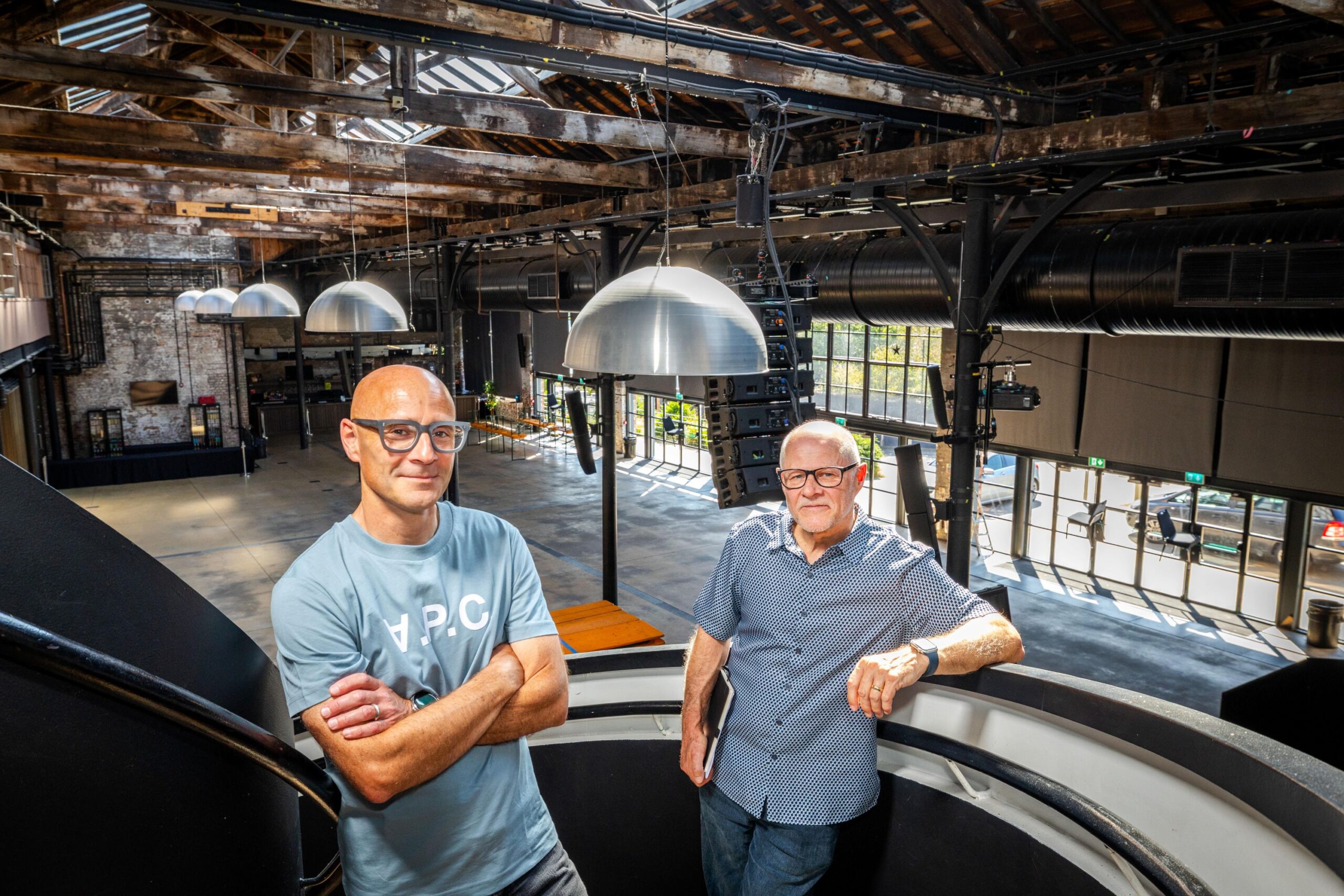
Work Beyond Walls – Enough with the return-to-office debate; what if we ran a live experiment?
Work Beyond Walls turns Newcastle’s Boiler Shop into a live workplace experiment, asking what makes an office worth the journey.
3–5 minutes -

Top 5 HR, EX and People Awards in the UK for 2026
In the rapidly evolving landscape of the modern workplace, the focus on Employee Experience (EX) and Employee Engagement has transitioned from a “nice-to-have” to a strategic imperative. As we navigate 2026, the benchmarks for what constitutes an exceptional workplace continue to rise. For organizations and leaders, securing a prestigious award is more than just a trophy on a mantle;…
3–4 minutes
Most Read
Get it in your inbox
The EMEX weekly newsletter — insight for HR leaders every Thursday.
Advertisement