Why More People Are Turning to the Career Stability of Nursing
Working in HR within the healthcare sector exposes you to career decisions in their rawest form. People step into nursing for reasons that go far beyond a simple search for a job. They are looking for a foundation that will hold its shape when other industries shift. They want meaningful work that does not vanish…
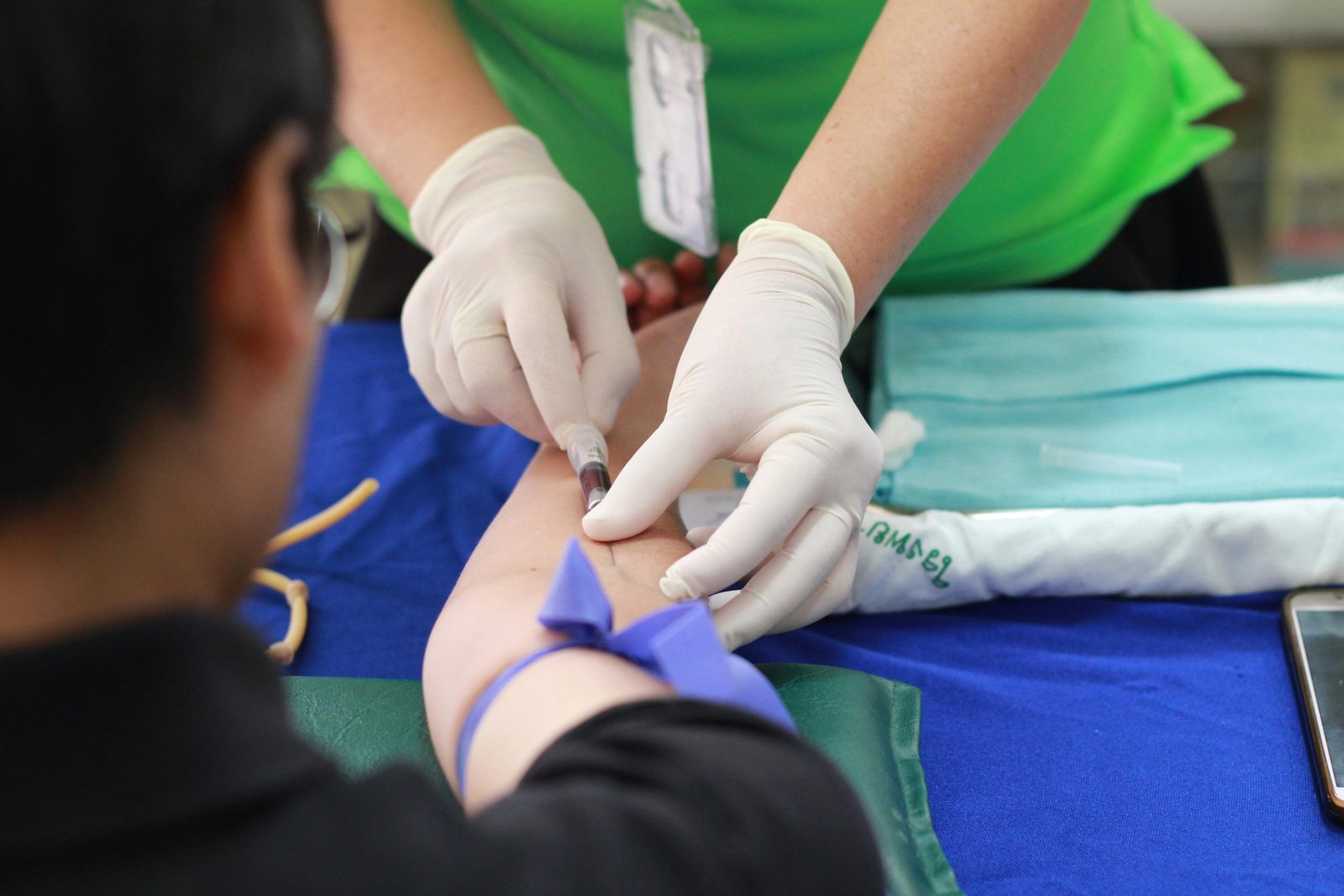
Working in HR within the healthcare sector exposes you to career decisions in their rawest form. People step into nursing for reasons that go far beyond a simple search for a job. They are looking for a foundation that will hold its shape when other industries shift. They want meaningful work that does not vanish during economic swings. They want progression that is grounded in real need rather than trends. From a recruiter’s viewpoint, nursing holds these qualities with a consistency that is rare in modern employment.
Over the last five years, the profession has shown a steadiness that many applicants immediately notice. The World Health Organization reported that the global nursing workforce grew from 27.9 million in 2018 to 29.8 million in 2023. That steady climb reflects a system with long-term requirements. Even when other fields shrink, healthcare continues to absorb new workers. When you spend time recruiting for clinical positions, you feel the pull in both directions: candidates seek security and employers try to fill gaps that never fully close.
The demand never fades
One of the first realities you explain to candidates is that demand is real. Ageing populations create ongoing care needs. Chronic conditions stretch across communities with little sign of decline. Home-based services keep expanding as more patients prefer support beyond the hospital setting. These shifts create a layer of workforce pressure that simply does not lift.
Labour projections in multiple developed countries consistently list nursing among the faster growing careers. Every HR professional working in healthcare sees the evidence each quarter when new posts appear before the previous ones are filled. Hospitals, general practices, community clinics, long-term care environments and home care providers all search at the same time. The breadth of settings means a nurse can find hours and structures that fit different stages of life. That flexibility makes the profession resilient during economic turbulence.
A qualification that holds its value
In day-to-day recruitment conversations, one theme always emerges. Candidates want reassurance that the qualification they invest in will keep its value. Nursing meets that requirement with unusual reliability. In the United Kingdom, approximately 94 percent of nursing graduates find employment within six months. That figure tells applicants that the door opens quickly after training. It also tells employers that graduates expect rapid placement, so retention becomes just as important as attraction.
Long term thinking shapes many discussions with experienced applicants. They look for progression routes that feel attainable. Nursing provides that through advanced roles that combine clinical judgment with broader patient responsibility. Many recruiters highlight the pathway through master level study and the option to become a Family Nurse Practitioner through family nurse practitioner schools. These programs guide nurses into positions that involve diagnosing, managing care plans and shaping patient wellbeing in a more independent capacity. For applicants who want growth, this route demonstrates that nursing can evolve into a leadership level clinical career.
The realities that influence retention
Recruiters cannot present nursing as a polished career without flaws. The challenges appear in every retention report. Workload pressures continue to rise. Emotional strain accumulates without predictable patterns. A meta analysis published during the pandemic estimated that between two and eight percent of nurses experienced job burnout. The statistic feels small until you consider the size of the workforce and the cascading effects on team stability.
In the United Kingdom, many nurses describe limited recognition, heavy responsibility and pay levels that fail to reflect the weight of the work. That blend pushes some newly qualified staff to step away within a few years. HR teams spend entire cycles trying to repair this leakage. Recruitment alone cannot solve it, which is why training support, wellbeing initiatives and leadership development have become central talking points.
When candidates step into nursing, they step into a career that rewards dedication and emotional intelligence, yet asks for both in generous amounts. This reality forms a significant part of the pre-interview conversation. People who thrive in nursing usually show a comfort with unpredictable days, high-stakes decisions and the interpersonal intensity that defines the role.
Why the profession still attracts people in large numbers
Even with its challenges, the profession continues to draw new entrants for reasons that become clearer the longer you work on the HR side of it. Many applicants have seen instability elsewhere. Tech, retail and hospitality fluctuate with sudden shifts. Healthcare isn’t going to disappear because the economy dips. Human need anchors the profession.
Others come with a desire for work that feels substantial. Nursing takes place in real rooms with real families and real outcomes. This direct impact matters to people who feel disconnected from the results of office based careers.
Progression also plays a central role. The ladder from student nurse to specialist roles, advanced practice and leadership offers a path that stays open for decades. For people who want a career they can grow into, not away from, nursing provides that shape.
What future candidates should consider
From an HR standpoint, there are questions every potential nurse should ask early. Can you manage irregular hours without it unsettling your wellbeing? Can you carry emotional weight across long periods without ignoring your own health? Can you commit to continuous learning through courses, mentoring and possibly postgraduate education? Can you picture yourself in a role that requires presence, patience and steady decision making? When the answers tilt toward yes, the profession becomes a strong match.
Nursing attracts people who want reliability, purpose and a form of professional identity that holds firm through social and economic cycles. The world keeps ageing. Chronic illness keeps expanding. Healthcare systems continue to rebuild and adapt. As an HR professional, you see these forces shaping the future of the workforce with unmistakable clarity. People are turning to nursing because the need for trained and compassionate professionals is only intensifying.
Related Articles
-

What new right to work requirements mean for HR leaders
TrustID operations director Christie Lewis on what the new right to work requirements mean for employers, and how HR leaders can check that their onboarding can prove compliance.
3–5 minutes -

AI use is rising. Access to learning is falling.
PwC’s 2026 Global Workforce Hopes and Fears Survey finds AI adoption is accelerating while fewer workers can access the development they need — widening the gap between employees already benefiting from AI and those still trying to catch up. AI adoption at work is moving faster than employee development. PwC’s 2026 Global Workforce Hopes and…
2–3 minutes -

Autistic or ADHD? 5 questions to ask before your next job interview
Job interviews can reward fast answers, social fluency and comfort with ambiguity as much as they test whether somebody can do the job. For autistic and ADHD candidates, a few questions in advance can help make the process fairer — and more useful for the employer too. Interviews are stressful for plenty of people. But…
2–4 minutes
Most Read
Get it in your inbox
The EMEX weekly newsletter — insight for HR leaders every Thursday.
Advertisement