Fombrun Model of HRM – UPDATED 2025 – A Complete Guide
Fombrun model of HRM is developed for helping organizations use human resources for the fulfillment of organizational objectives and goals.

HRM models are the human resources management features that provide a framework for the analysis of the management system. They make it easy to establish variables and relationships upon which the effectiveness and significance of key HR practices are based. There are several HRM models proposed by different scholars and experts to describe the HR management practice.
One of the most popular is the Fombrun Model of HRM often used by organizations to manage their workforce efficiently to achieve established goals. In this guide, let us try to learn more about this HRM model and understand how you can get started with it.
Fombrun Model of HRM – A Complete Guide

HRM is generally defined as a concept that constitutes two primary approaches. A hard HRM approach focuses on performance management and emphasizes an instrumental approach to managing employees. On the other hand, a soft approach to HRM focuses on trust, motivation, and empowerment involved in handling employees, considering individual contributors the most significant resource for an organization.
The hard model of HRM was proposed by Fombrun, Tichy, and Devanna in Michigan University in 1984 which is also called the ‘Michigan School Model’. The primary focus of this HRM model is to treat employees as a way to reach organizational goals. This human resources management model stresses the strategic management pressure on HR teams. In this system, the harmony between organizational strategy and HR practices is of significance. It supports unifying the HR policies and practices with organizational strategies.
Pros
One of the biggest advantages of the Fombrun Model of HRM is its commitment to organizational growth. Employees are considered as sources and competitive advantage which helps companies reduce costs. Another advantage is the ability of managers to make quick decisions. Outsourcing recruitment helps construct effective strategies in times of calamities. Organizations implementing this model emphasize employee training believing that productivity boost is the force that pushes the management for HRM.
Cons
The Fombrun HRM model is considered to be incomplete because it focuses only on the four HR functions and ignores other factors impacting HRM. It is also criticized for being unitarist as it neglects employee relationships when focusing on managerial functions. This means it approaches HR as hard, not differentiating human resources from other sources. The control on employees is too high, leading to lower trust and commitment from them, thus affecting the performance in the long run.
Fombrun, Tichy and Devanna Model of HRM – Getting Started
The Fombrun, Tichy, and Devanna model of HRM is a simple framework for explaining the significance and nature of key HR activities. It holds that the organizational structure should be managed in a way that aligns with the organization’s strategy. It focuses on the four HRM functions namely Selection, Appraisal, Development, and Rewards as well as their interconnection.
The Michigan Model of HRM holds that employees should be treated like any other business resource and managed in a way similar to materials and equipment. They should be obtained cheaply, used wisely, and developed as much as possible. It requires that HR strategies influence the overall business strategies. This model thus restricts HR functions by neglecting external components like social and environmental factors affecting the workforce.
The model identifies four main HR processes to be performed in an organization.
- Selection – allocating people to tasks
- Appraisal – assessment for performance
- Rewards – emphasis on the significance of compensation for results
- Development – improving workforce talent
The HR cycle is made up of an interconnection of these processes. The emphasis of this model is on how the organization can use its resources best to respond to external factors. However, the most effective means of managing employees would vary from one organization to another. An important consideration for this model is that of universalism which means conflict should not exist in a workplace. Employees and employers should work together to achieve organizational goals.
Fombrun HR Cycle & Matching Model

The Matching Model was introduced by Fombrun at the Michigan Business School. As it holds a less humanistic view, it is often described as a hard HRM approach. It explains the concept of strategic management of human resources to the creation and implementation of strategic business objectives. The model states that the HR system should be managed in a way that is in line with the organization’s strategy.
The Matching Model is established on people management, strategic control, and organizational structure. It emphasizes the human resource cycle where performance depends on selection, appraisal, rewards, and development. Performance is the key purpose of HR which it addresses by selecting individuals who are capable of doing what organizational structure requires. The appraisal helps the company distribute fair rewards while staff can be inspired with incentives and rewards for better performance and training helps improve productivity and performance.
Final Thoughts
The Fombrun model or the Matching model is one of the simplest HRM models aimed at helping organizations use human resources for the fulfillment of organizational objectives and goals. Though it does not offer a perfect solution for every business, it gives HR teams a good foundation upon which they can build, refine and improve practices.
Further Reading
Related Articles
-
Is time running out for the employee engagement survey?
Employee engagement surveys have dominated HR for decades. Culture15 founder Charlie Coode argues behaviour may be a better measure for the AI era.
5–7 minutes -
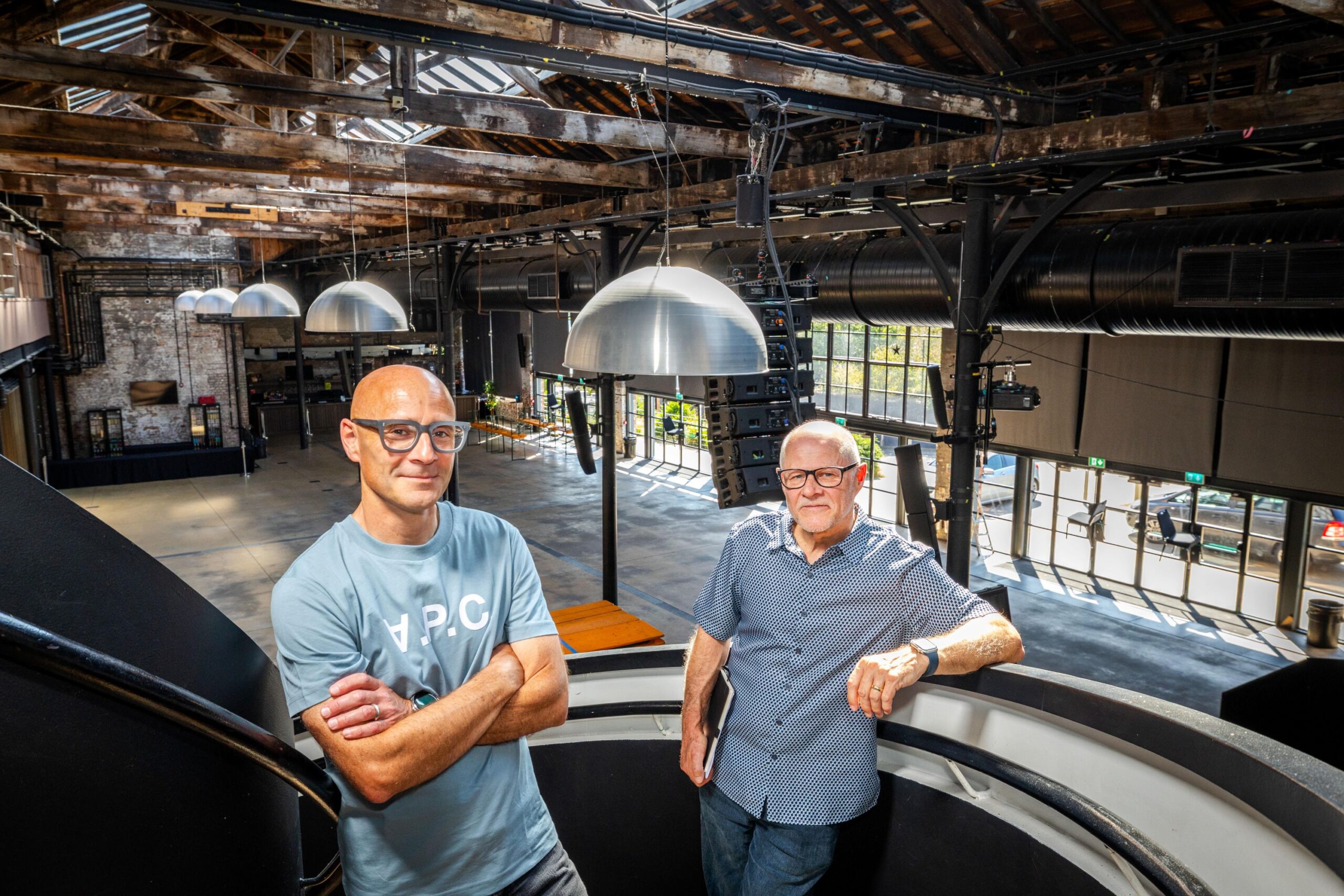
Work Beyond Walls – Enough with the return-to-office debate; what if we ran a live experiment?
Work Beyond Walls turns Newcastle’s Boiler Shop into a live workplace experiment, asking what makes an office worth the journey.
3–5 minutes -

The recognition gap: are we solving for the right thing?
There is a familiar moment in employee experience work when the engagement survey closes. The comments are read, themes are lifted into a narrative, and it is no great surprise when recognition surfaces as one of them. What usually follows is a hive of activity around recognition programmes. Either a relaunch of the one that…
4–6 minutes
Most Read
Get it in your inbox
The EMEX weekly newsletter — insight for HR leaders every Thursday.
Advertisement