How HiBob is redesigning the HR business partner role for 2027
I attended HiBob’s Leadership Horizons event at Protein Studios in London, and one of the conversations I enjoyed most was with Toby Hough, HiBob’s VP of People and Culture for Europe. Toby has worked through the company’s growth from around 100 to 1,400 employees, and he has already cut his people plan from 40 lines…
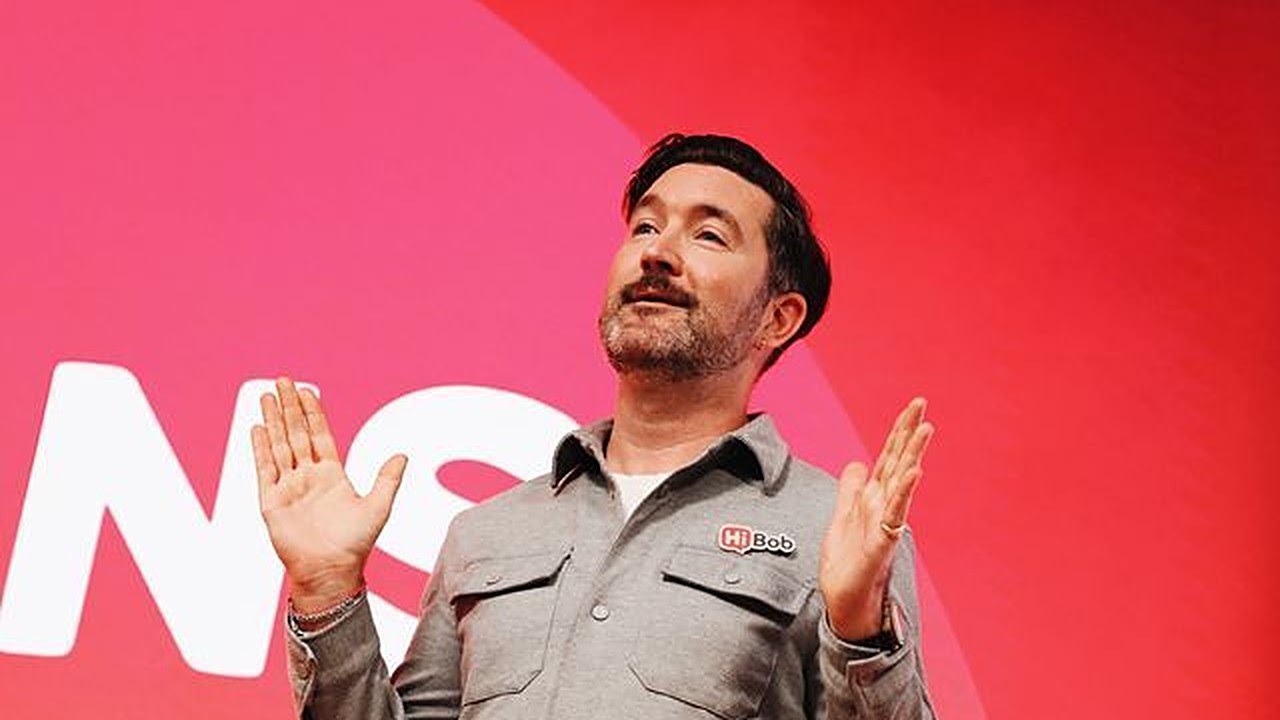
I attended HiBob’s Leadership Horizons event at Protein Studios in London, and one of the conversations I enjoyed most was with Toby Hough, HiBob’s VP of People and Culture for Europe. Toby has worked through the company’s growth from around 100 to 1,400 employees, and he has already cut his people plan from 40 lines to 15. When we spoke, he was thinking about going further.
I wanted to hear how that experience was shaping his plans for 2027, particularly now that so much of the conversation about HR involves changing the work itself.
For his contribution to the global people strategy, he is making the case for one priority: reimagining the people partner, or HR business partner, role. As we talked, it became clear how much would have to happen around that role to make the change possible.
The EmEx newsletter
Get one practical EX read every Wednesday
Join the HR and employee experience leaders who read EmEx each week. It is free, and you can unsubscribe at any time.
Automating HR admin hasn’t reduced the demand on people partners
Toby gave me a straightforward example of work his team has already taken off its plate. Payroll preparation used to involve laborious emails to colleagues in finance, explaining the local changes for the month. They have now agreed what information payroll needs and put it into fields in Bob, ready to report.
That is a useful task to remove. But the space it creates can quickly fill up again. Frontline leaders still need substantial support, and Toby is seeing more employee relations work coming into the team.
“We are the magnet for everything going on in the business,” he said. The people partners are involved, trusted and relied upon. Senior leaders value that relationship and would like more from it, but the team is still dealing with the demands coming through the door.
That is why his 2027 proposal reaches beyond automating another process. He wants to change what managers can handle themselves and what they need from their people partner.
How managers bring performance concerns to HR
The difference becomes clear when Toby talks about managers raising a performance concern. Some arrive having spoken to the employee, tried coaching, kept records and thought carefully about what to do next. They can show HR what they have done and where they need advice.
Others want somebody removed before much of that work has happened. The people partner then has to take the conversation back to the beginning: what has the employee been told, what support have they had, and what has the manager actually tried?
Toby is candid about that range. HiBob invests in leadership development, yet managers can still have very different levels of confidence and independence. Helping more of them handle those conversations well is central to his thinking.
He sees a possible role for carefully designed AI support to guide managers through documented processes. He also wants a different collaboration with colleagues responsible for leadership development, focused on building the autonomy managers need in their daily work.
I recognised that problem from my own work in HR teams. A manager can know the process and still want someone from HR beside them when the conversation becomes difficult. Changing that relationship takes practice and confidence, as well as access to information.
Redesigning the HR business partner role from the centre out
HiBob’s people function has grown around its partners. Toby described how they initially did a broad range of work, with responsibilities gradually moving as centres of excellence developed.
This time, he wants to start with what the partner role should become, then work through what that requires from everyone around it. What would specialist teams own? What could managers do independently? Which expectations of the people partner would need to change?
He has already recognised that colleagues need to be involved in answering those questions. As he began discussing the idea, he realised he needed to bring them into the redesign and work through the implications together.
It is an honest detail. Choosing a priority can sound decisive when it appears in a strategy document. Getting agreement about who will do what differently is where much of the work sits.
Trusted adviser skills for people partners and customer success
Towards the end of our conversation, Toby told me about a six-month consulting and advisory development programme for HiBob’s customer success team. As colleagues automate elements of their work and customer requirements become more complex, the company is investing in their ability to advise, listen and build relationships.
HiBob is working with an HR consultancy whose own people use those skills with customers. During an early workshop on becoming a trusted adviser, Toby’s people partners spotted something they wanted for themselves: this was training they needed too.
I liked that connection because it made the proposed change feel tangible. Helping a customer become more self-sufficient and helping a manager become more independent both require judgement about when to advise, when to coach and when to let someone work through the problem.
For Toby, that programme offers one possible part of the answer. His next task is to work with colleagues on the role they want to build, and the changes around it that would allow people partners to spend their time differently.
If you are weighing up your own priorities for 2027, I have built a free People Priorities Lab to help you compare the options side by side and explain your choice to the people around you.
Related Articles
-

Why a speak-up culture needs more than an open-door policy
The recent resignation of Anthropic researcher Jacob Coxon has brought renewed attention to what happens when employees feel unable to challenge decisions within their organisation. While the circumstances are specific to the AI industry, the wider issue matters to every business: Employees are often the first to spot emerging risks, question decisions, or recognise when…
4–7 minutes -

3 simple things you can do today to drive performance culture
Senior Culture Strategist Caroline Alderman of O.C. Tanner on three practical steps HR leaders can take today to build a performance culture where people grow, share ideas and do great work.
4–6 minutes -

Culture is what people do next
Convene Associates CEO Courtney Ellul on what a viral dance and Gen Alpha can teach leaders about how culture moves, and how to build a culture system people can read.
4–6 minutes
Most Read
Get it in your inbox
The EMEX weekly newsletter — insight for HR leaders every Wednesday.
Advertisement