Beyond the Away Day: Why Nature Could Change the Way We Think About Workplace Wellbeing
Workplace wellbeing has moved up the agenda, yet we keep asking overwhelmed people to learn more techniques when they may need different conditions in which to be human.
By Tansy Jane Dowman, founder of Tansy in the Wild
Over recent years, workplace wellbeing has rightly moved much higher up the organisational agenda. Yet there is a curious paradox in the way we often approach it. We ask people who are already overwhelmed by screens, information and back-to-back meetings to attend another webinar, download another app or learn another set of techniques to help them manage how they feel.
All of these things can have value, but perhaps workplace wellbeing doesn’t always need to give employees more tools. Sometimes we need to give people different conditions in which to be human.
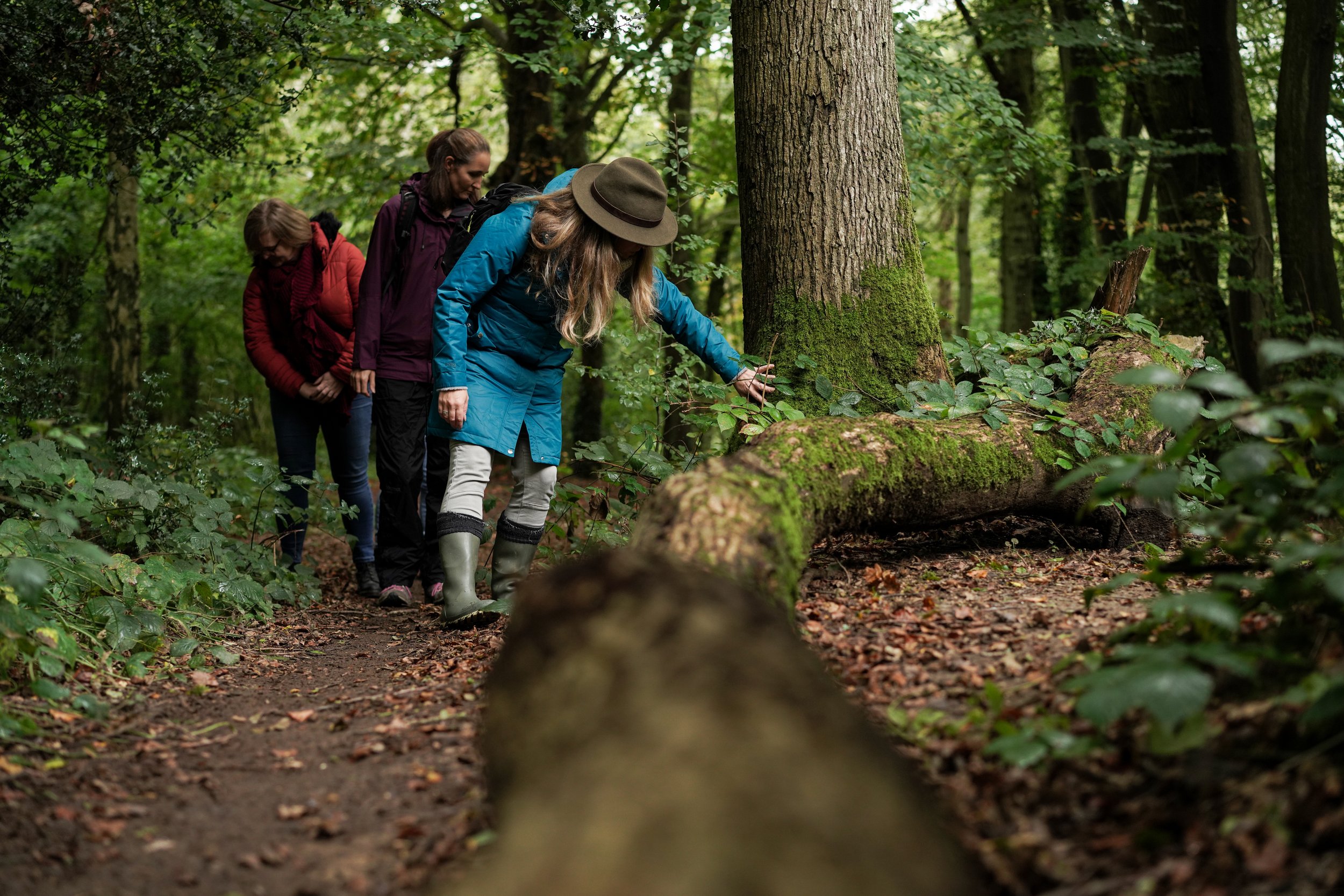
As an Outdoor Life Coach and nature-based wellbeing facilitator, I have spent years taking individuals and teams out of their usual environments and into woodlands, gardens and green spaces. One of the things that continues to fascinate me is how quickly something can shift when we change the environment.
People often arrive carrying the pace of their working day with them. Conversations are quick, phones are close at hand and minds are still working through lists of things that need to be done. I don’t need to fill that space with huge amounts of information or ask people to become experts in mindfulness. Often, the environment begins doing some of the work for us.
There is a reason for this. We have become accustomed to thinking of nature as somewhere we go when we need a break from ‘real life’, but human beings are not separate from the natural world. We are a species of nature ourselves, and our bodies, attention and senses are constantly responding to the environments around us.
This is why I believe nature deserves to be considered as far more than a workplace wellbeing perk. When we take a team outside, we are not simply giving them some fresh air or a pleasant break from their desks. We are changing the conditions in which they think, communicate and connect.
From team building to team connection
There is another shift I have noticed through this work. We talk a great deal about ‘team building’, but I wonder whether what many teams are actually craving is team connection.
Traditional away days can be brilliant, but not everybody thrives in competitive activities, highly social environments or organised fun. For some people, particularly those who find busy or sensory-heavy environments challenging, these experiences can create another situation in which they feel they need to perform.
Nature offers another way.
Walking alongside somebody can create a very different conversation from sitting opposite them in a meeting room. Shared moments of noticing can create connection without demanding it. Silence becomes possible without necessarily becoming uncomfortable, and people who may rarely interact during the working day find themselves talking simply because they happen to be walking together.
What I love most is that nobody needs to be ‘good’ at nature.
A nature-based team experience doesn’t have to involve scaling mountains, wild swimming or testing physical endurance. It can be a slow walk through a local green space, gentle mindful movement, guided sensory practices, outdoor coaching or simply creating intentional space for people to pause together.
When facilitated thoughtfully, this can also make outdoor wellbeing far more inclusive than some people initially imagine. The aim isn’t to push people outside their comfort zones. It is to create enough safety, choice and spaciousness for them to experience their surroundings in their own way.
Creating an experience that lasts beyond the day
The value of a nature-based team experience isn’t necessarily in how much you fit into it. In fact, I often find the opposite is true. When our working lives are already full, an away day packed with activities from morning until evening can simply replicate that same busyness in a different location.
Creating space to slow down, move, notice and connect can offer something very different. This might include mindful walking, Forest Bathing, gentle movement, time for reflection or simply opportunities for conversations around a firepit to unfold without a tightly controlled agenda.
Importantly, nature-based wellbeing doesn’t have to mean sending your team off on a wilderness adventure. Experiences can take place in woodlands, gardens, parks and green spaces, and can be adapted for different levels of mobility, confidence and previous experience. Nobody needs to be outdoorsy, physically fit or experienced in mindfulness to benefit from being there.
For event bookers and People teams, perhaps the question isn’t simply “What activity should we organise?” but “How do we want our people to feel when they leave?”
If the answer is more connected to one another, more spacious in themselves and genuinely restored rather than simply entertained, nature offers a very different kind of team experience.
After years of watching people arrive outdoors carrying the pace of their working lives with them, my favourite moments are often the simplest ones: seeing shoulders soften, conversations change and people begin to notice what is around them.
Perhaps we don’t always need to build stronger teams by doing more together. Sometimes we create the conditions for connection by giving people space to simply be together.
And nature is a remarkably good place to begin.
Tansy is a Nature-Based Wellbeing Facilitator, Outdoor Life Coach and TEDx speaker who works with organisations and teams to create meaningful outdoor experiences that support wellbeing, connection and a different way of being together. Through forest bathing, natural mindfulness, mindful movement and outdoor coaching, she helps people step away from the noise of everyday working life and reconnect with themselves, each other and the natural world.
Find Tansy in the Wild in the Something Different directory.
Related Articles
-
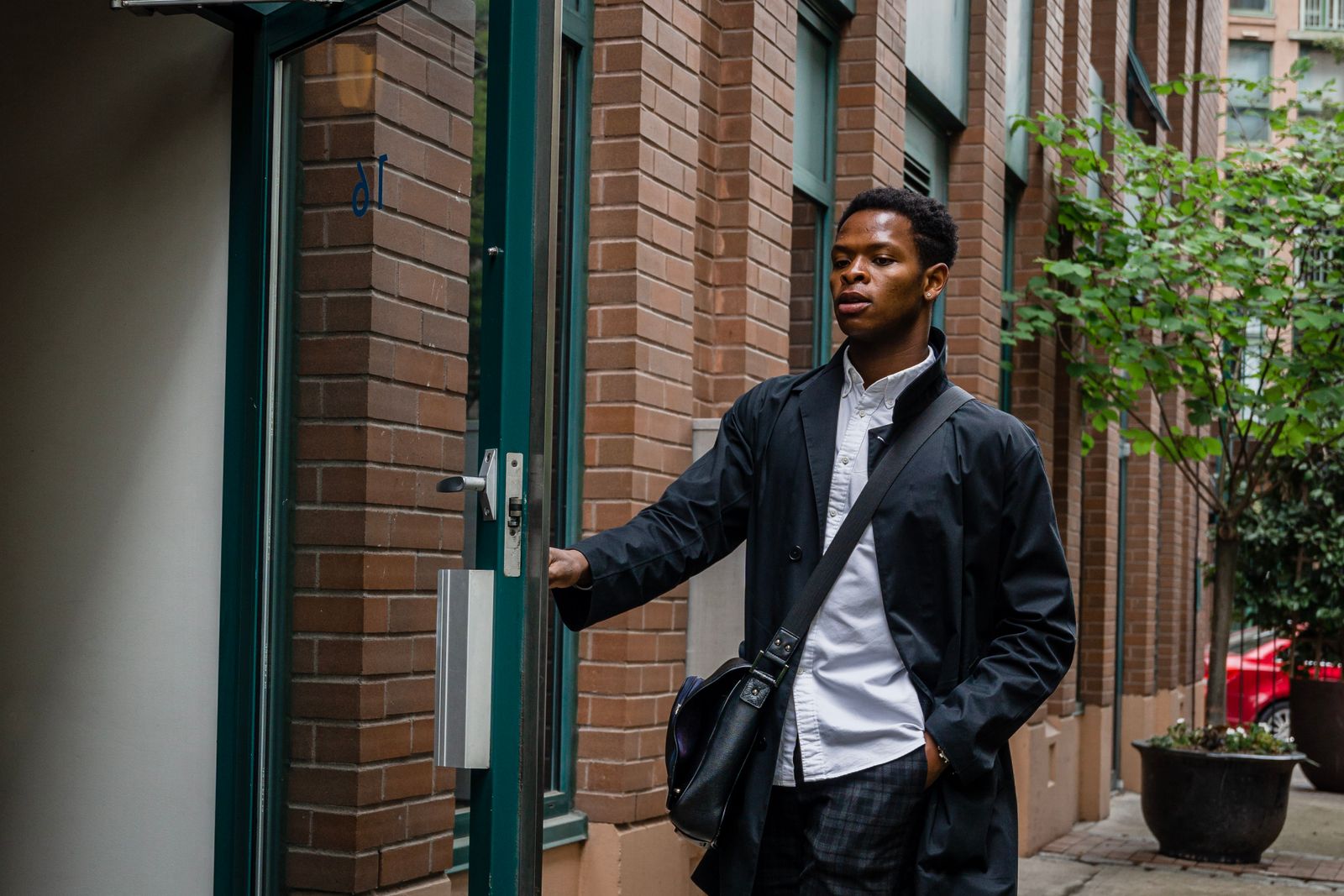
Young men are taking mental health leave. The harder part is getting them back
Young men appear more willing to step away from work when their mental health suffers, being more likely now to take mental health leave. New research raises a harder question for employers: what happens when they try to return? For years, workplace mental health campaigns have encouraged men to speak up, ask for help and…
3–5 minutes -

How HR teams can turn recognition into a driver of trust, retention and performance
The stereotype of the British workplace is polite, understated and a balance of professional diligence and social camaraderie. Brits are not known for effusive praise or open displays of appreciation.
3–4 minutes -
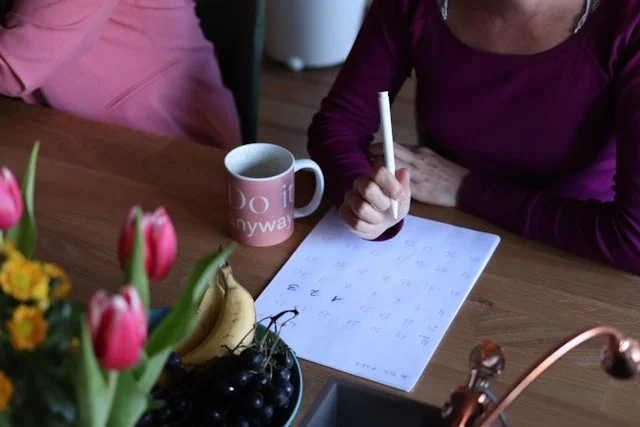
Menopause Support in the Workplace: Bridging the Policy Gap
Despite new government mandates for large employers, a recent study reveals a stark lack of menopause policies across UK businesses, costing the economy an estimated £1.7 billion annually. A recent study has revealed that less than half of UK working women feel comfortable discussing the menopause at work. Furthermore, just 18% of women report that…
2–3 minutes
Most Read
Get it in your inbox
The EMEX weekly newsletter — insight for HR leaders every Thursday.
Advertisement