Corporate Retreats: How to Plan One That’s Worth the Money
Most corporate retreats are an expensive meeting in a nicer room. People travel, eat well, sit in a circle and fill flip charts. Then Monday arrives and nothing has changed. The fix is not a fancier venue. It is a clear reason for going, the right people in the room, and time that is built…
Most corporate retreats are an expensive meeting in a nicer room. People travel, eat well, sit in a circle and fill flip charts. Then Monday arrives and nothing has changed.
The fix is not a fancier venue. It is a clear reason for going, the right people in the room, and time that is built to do one job. That is what good corporate retreat planning looks like.
Below you’ll find seven steps to plan one, then real suppliers in the UK and US you can book. Mixed groups from both countries are fine, because most of these suppliers say where they work. If you only want a quick team day, the team building ideas for work guide is a better start.
How to plan corporate retreats in 7 steps
1. Set one purpose
Write one sentence that finishes “By the end of this retreat, we will…”. Not three sentences. One.
A purpose might be “agree our plan for next year”, “repair trust after a merger” or “give the senior team time to think”. Each leads to a different setting, agenda and guest list.
If the sentence has “and” in it twice, the retreat will try to do too much. Cut it down before you book anything.
2. Decide who goes and the size
Match the guest list to the purpose. A strategy retreat needs the leadership group. A trust retreat may need two teams that have never really worked together.
Smaller groups talk more. Most suppliers below suit groups of roughly 13 to 30. Some cap lower, so check before you promise places to a whole department.
Decide early what happens to people who are not invited. A short note explaining why saves a lot of corridor gossip. Ask each invitee about access needs, caring duties and dietary needs at the same time, so nobody is left out by the plan.
3. Budget and what it must cover
List every cost line before you ask for quotes. Venue, travel, food, facilitator, activity, equipment and accommodation all count. So does the time away from work.
Add a buffer for the costs people forget, such as access needs, late dietary requests and a rain plan. Then ask each supplier what their price includes.
Pricing for most suppliers is bespoke and depends on group size, location and programme. Treat any quote that does not say what it covers as incomplete.
4. Pick a setting that serves the purpose
Choose the place after the purpose, never before. Big strategy thinking suits open views. Trust work suits somewhere informal, where people are slightly out of their usual roles.
Nature settings suit many corporate retreats because they pull people away from screens. Our outdoors and nature directory lists suppliers who run sessions in woods, hills and farms.
Think about travel too. A retreat that takes four hours to reach spends a big part of the budget on the journey. It also leaves people tired before the real work starts. Pick somewhere your group can reach in a morning.
5. Design the agenda with real downtime
Plan fewer sessions than feels natural. Two or three focused blocks beat six rushed ones.
Leave proper pauses for walks, meals and unplanned chat. That is where much of the real connecting happens, and it is the part most agendas squeeze out.
Put the hardest conversation early, when people have energy. Keep the last session light and practical, so people leave with actions rather than fatigue.
6. Book an outside facilitator or activity
Managers who run their own retreat can’t also take part. An outside facilitator lets everyone, including the boss, join in.
Pick an activity that suits the people, not the loudest person in the planning meeting. Corporate retreats go wrong when the activity is chosen for the organiser. Acas commissioned YouGov research in Great Britain and found that 31% of employees dislike team-building activities, the most disliked option listed. Acas recommends running activities during working hours.
So keep it voluntary in tone, inclusive in design and inside the working day where you can. For ideas on building real trust rather than forced fun, see our trust building activities guide.
7. Follow up so it lasts
A retreat that ends at the car park has failed. Before everyone leaves, agree three actions, name one owner for each and set a date.
Send a one-page summary within a week. Book a 30-minute check-in a month later, and ask the group which action moved.
Measure what you set out to change. If the purpose was trust, ask the same two questions before and after. That is the simplest way to show your finance director that corporate retreats earn their budget.
Corporate retreat ideas worth booking
Every supplier below is listed in our directory, and none of them needs you to book a ballroom. Locations come from their listings, so check dates and travel before you enquire. For wider choice, browse the Something Different directory.
MERA (UK)
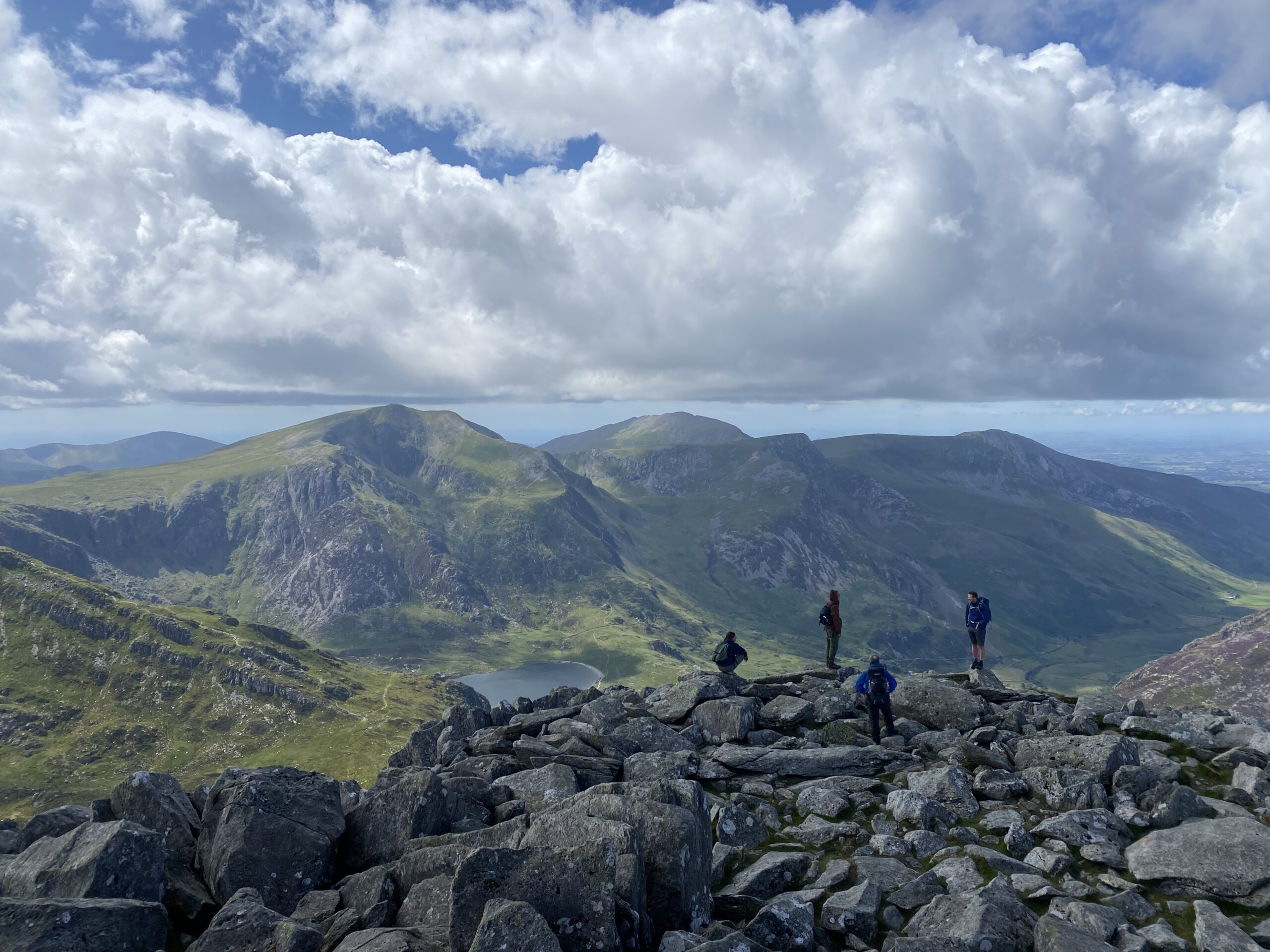
MERA runs nature-led offsites for leadership teams, with wild swims, hikes and forestry mornings. Workshops are built on psychology and neuroscience. The team says its sweet spot is groups of 8 to 25.
Fit: Senior teams still building trust, or two teams that have merged on the org chart but not yet in the room.
WildEdge Worx (Leeds, UK)
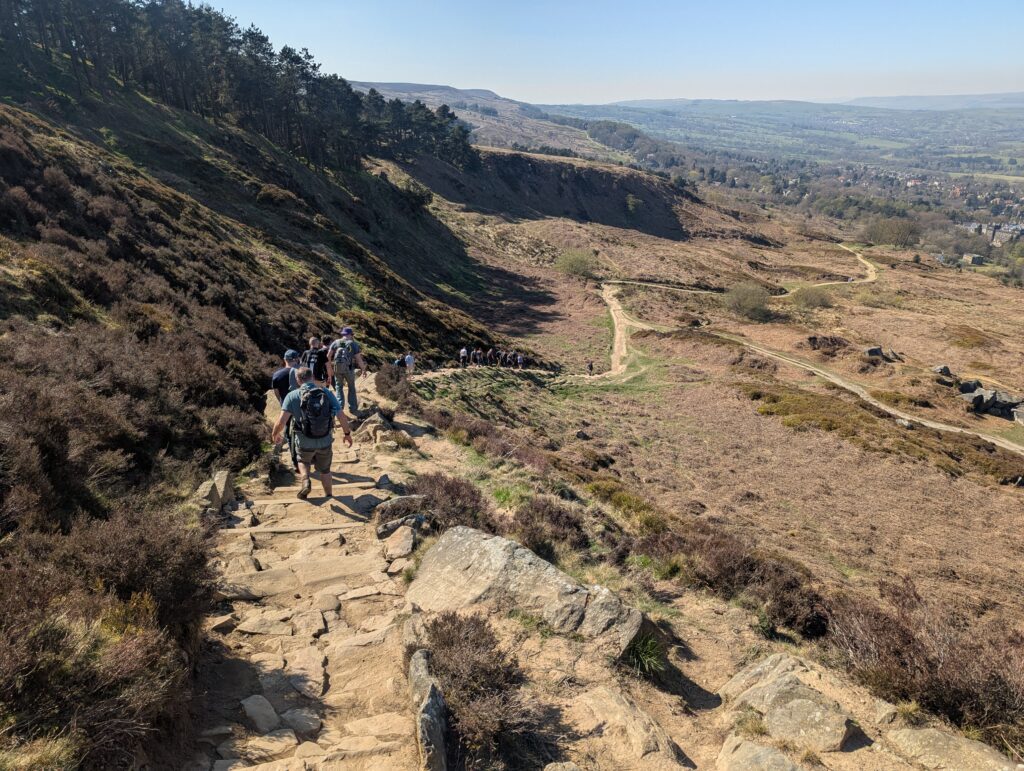
WildEdge Worx takes leaders into the mountains for workshops and “Mountain Boardroom” strategy sessions outdoors. It also runs guided charity challenges. Clients in the listing include Deloitte and Morgan Sindall. Planning a day in the north? See our team building activities in Leeds guide too.
Fit: Leadership teams who need to think big, away from the office.
Global Warriors (UK and US)
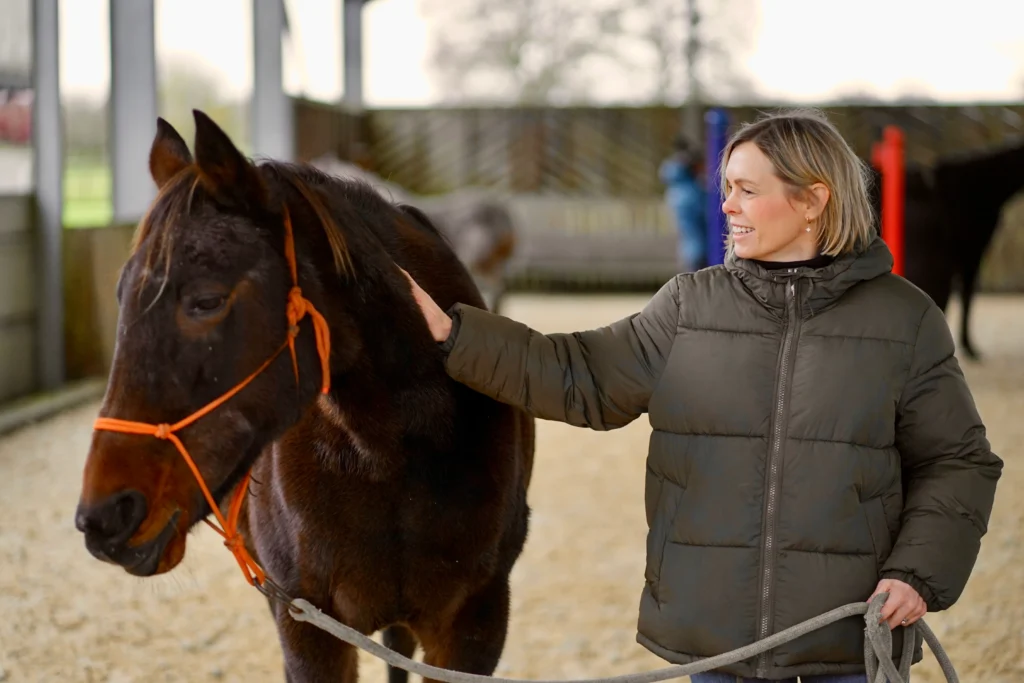
Global Warriors offers horse-guided leadership development for senior leaders and teams. People work with horses on the ground and get instant feedback on their leadership style. No horse experience is needed.
Fit: Senior leaders facing burnout, low trust in leadership or a tough operational change.
LeadChange Ltd (UK and US)
LeadChange runs ground-based challenges with horses, followed by non-directive coaching. Its listing describes executive away days and retreats built on this approach. The horses are not ridden.
Fit: Leadership groups who want learning that sits well outside a training room.
Ground Up Cookery School (Devon, UK)
Ground Up Cookery School hosts team cooking, foraging and fermentation days at its cookery school in Devon. The Team Cookery Away Day mixes hands-on cooking with meeting time and a shared meal. It suits groups of 13 to 30.
Fit: Teams who want a working day with a proper meal at the centre, not a long session in a hotel.
Tansy in the Wild (London, UK, and virtual)
Tansy in the Wild offers forest bathing, mindful walks and Qigong, from short pauses to full woodland away days. Sessions run from up to two hours to a full day. Virtual sessions are also available.
Fit: Stretched teams who need room to pause, and an away day that takes the pressure off conversation.
Wildeye Adventures (London, UK)
Wildeye Adventures runs full-day woodland team days of shelter building, fire lighting, bushcraft and archery. No outdoor experience is needed. Its listing says it works across London, Surrey, Kent and Buckinghamshire.
Fit: Groups of 13 to 30 who want a hands-on day outdoors that gets people working together.
If you plan to start with a single leadership group, our leadership retreats directory is the place to compare team retreats side by side.
What affects the cost of corporate retreats?
Group size, location, length and extras set the price of corporate retreats. A day trip close to your office costs far less than a residential stay with travel.
Facilitator time is a big line too. Bespoke programmes cost more than fixed formats. Ask each supplier for a written quote that lists what it covers, and compare like with like.
How long should a corporate retreat last?
Match the length to the purpose of your corporate retreat. A single focused day suits a strategy session or a trust reset. Two days suits deeper work, such as a merger or a new leadership group.
Most of the corporate retreats above come in full-day formats. Some, such as Tansy in the Wild, also offer sessions of up to two hours.
How far ahead should I book?
Start corporate retreat planning at least a few months out for a residential stay. Popular venues and facilitators for corporate retreats fill early, and senior diaries fill earlier still.
Shorter local days can often be arranged faster. Ask each supplier for its lead time when you enquire.
What is the difference between a retreat and an away day?
Most people use the two terms loosely, but they differ. An away day is usually one day, close to work, with a focused agenda. A retreat tends to be longer, further away and slower, with space for reflection and downtime.
Both can work, and both can deliver corporate retreats that people remember. Pick the away day when you have one clear task, and the retreat when people need distance to think.
The bottom line
Good corporate retreats start with one purpose, fit the right people and leave time to breathe. Sound corporate retreat planning is mostly saying no to extra agenda items. The setting and activity come second. Write your one sentence first, then use the directory to find a supplier who can deliver it.
Photos supplied by MERA (top), WildEdge Worx and Global Warriors.
Related Articles
-

The 2027 People Strategy Test: Five Questions Worth Asking Before January
Fresh CIPD and Gartner research raises an awkward question for HR leaders: how much of the 2027 people strategy will make a measurable difference to the way work gets done?
6–9 minutes -

The hidden benefit of friction
Organisational psychologist Dr Maggie Sass on why leaders should stop smoothing over tension in the room, and how to tell useful friction from the kind that gets in the way.
4–7 minutes -
Leading through uncertainty: Why employees don’t need leaders with all the answers
One of the biggest leadership lessons I’ve learned is that employees don’t actually need you to have all the answers. That’s fortunate, because right now many leaders are figuring things out in real time themselves. AI is changing how work gets done. Roles are evolving. Skills requirements are shifting faster than many organisations can track. Employees are asking…
3–5 minutes
Most Read
Get it in your inbox
The EMEX weekly newsletter — insight for HR leaders every Thursday.
Advertisement