Radical Education Theory – UPDATED 2025 – A Comprehensive Guide
Radical education theory is an idea that tries to bring about a change in learning methods to eliminate hierarchy and inequality in work environments.

Radical education theory is an idea that tries to bring about a change in learning methods to eliminate hierarchy and inequality in work environments. This theory questions the traditional education system as being misleading and introducing differences among people. It proposes that learners should not be taught the right and the wrong but should be, instead, given relevant knowledge that helps them identify what is right.
In this post, let us try to understand what radical education theory and critical pedagogy are and whether they deserve a place in the modern workplace.
What is Radical Education Theory?

Radical education theory is an educational concept intended to bring equality for the poor and the weak. It is a form of education that engages an individual to participate in collaborative activities. This system of education opposes the traditional practice and argues that the conventional education system leads to inequality and hierarchy in workplaces and society at large.
The definition of radical education theory is quite complicated because several theorists have proposed their own opinions and views on the concept. This theory has numerous definitions and meanings. While some agree that the theory is beneficial for starting major advancements in improving inclusivity, others support the notion that it plays a vital role in examining the outcomes, mindset and biases created by traditional education systems.
A lot of people believe that radical education theory helps identify the best methods and procedures through which training of the employees can be improved. While there are several such explanations existing, the theory is, in its essence, for the betterment of educators and learners. It is overall aimed at modifying the existing work environment.
Radical Pedagogy – What You Should Know?

The term ‘Radical Pedagogy’ has several implications. Experts on the subject have different views on the concept. Some describe it as an analysis of educational and workplace systems in terms of policies, practices, and politicization. For some others, radical pedagogy drives cutting-edge, innovative developments in the field of training and education. The process should include the latest theories, concepts, practices, and methods that refresh the learning and teaching systems at the basic level.
While the perspectives may seem different, they are quite closely related. Radical pedagogy is about education and knowledge, and the way they can and should change to serve the purposes of both educators and learners. As education is one of the most important social institutions in the world, it is critical to consider the nature of education as it exists today and the way it will change in the future.
The institution, however, is far from perfect. There are millions who don’t have access to knowledge, and there are those who are not well-served by these institutions. For such reasons, education will change. A large number of people have opinions about what is wrong with education and why it should change. A popular argument is that education suffers because it is governed by an inflexible bureaucracy. The solution to this problem, according to experts, is to privatize education, so that it gets better under the forces of the market.
On the contrary, some others argue that the standards of education have been set low and that it can be only improved by raising the bar and applying conformity to the highest standards. Still, some others believe the traditional classroom system to be outmoded and the best way to make it better is by integrating technology into the classroom to the point that it becomes a virtual experience.
The Aims Critical Pedagogy
Critical pedagogy has its origins in critical theory, which was once considered to be a way of viewing reality. Critical pedagogy is relevant for different reasons. Now as the present education systems consider a consensus approach and preservation of what exists, there is a need for a more radical pedagogy that aspires for transformation.
Another relevant issue today is that individualism is emphasized at the cost of justice and equality for larger groups of society. This brings a need for a solidarity-based pedagogy where the disadvantaged groups and the society at large get enough attention. Also, it is important today, when there is an information overload from different media, that there is a need to scrutinize them to find out what interests they serve and how to respond to them. Critical pedagogy can be a powerful tool for this purpose.
- It is important to foster an understanding and criticality of both content and its meaning. It is also about developing your comprehension of what you are learning and how it fits into the present environment.
- Radical pedagogy offers participants the chance to participate democratically in the production of education. It also gives the opportunity to witness the strengths and weaknesses of democracy.
- It helps participants create individual and collaborative solutions to their problems. It also explains that they have the ability to control and improve their lives amidst the challenges in society. It particularly encourages them to realize that democratic action is the most powerful weapon for the poor and the weak.
- Radical education asks the participants to put their learning into practice. It favors the idea that thinking should always lead to actions and political activities give rise to opportunities to bring about a change in the world.
Critical pedagogy helps understand that the relationship between teaching and learning takes into consideration, more than anything else, the partnership between educators and learners. Many pedagogics suggest that it should be based on shared interests, understanding, and compassion.
Conclusion
Radical education theory is presented in different notions. The generalized aim is to bring about a change in the traditional system of imparting knowledge to provide a better future to the present generation. Radical education can improve the overall quality of education and make way for social change. It is important that the existing education system is viewed from the point of critical pedagogy to understand it better and bring about cutting-edge improvements.
Read more:
Related Articles
-

Why Culture Budgets Are Moving from Perks to Performance
TeamBonding founder David Goldstein on how to give culture budgets a purpose this fall, from choosing what teams need to practice to measuring what changes afterward.
3–5 minutes -
Is time running out for the employee engagement survey?
Employee engagement surveys have dominated HR for decades. Culture15 founder Charlie Coode argues behaviour may be a better measure for the AI era.
5–7 minutes -
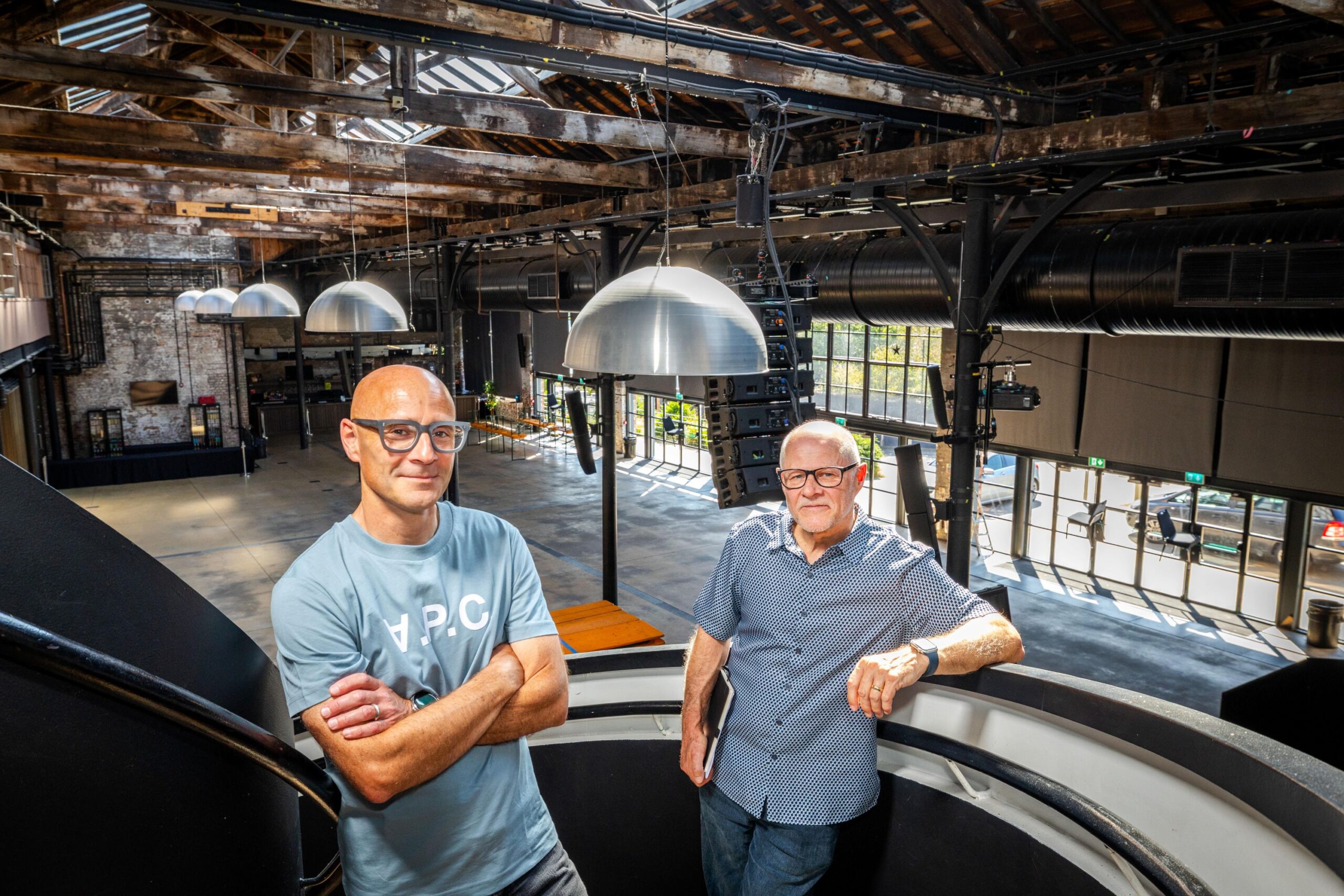
Work Beyond Walls – Enough with the return-to-office debate; what if we ran a live experiment?
Work Beyond Walls turns Newcastle’s Boiler Shop into a live workplace experiment, asking what makes an office worth the journey.
3–5 minutes
Most Read
Get it in your inbox
The EMEX weekly newsletter — insight for HR leaders every Thursday.
Advertisement