86% of UK firms plan to grow or hold their engineering teams, and adaptability now beats coding skill in hiring
CodeYourFuture’s survey of UK developers finds employers now rank adaptability above coding skill in early-career hires, while only 16% recruit from non-traditional routes.

Nearly half of UK firms (48%) plan to increase their software developer headcount over the next two years, and a further 38% plan to keep teams at their current size, according to Ready for the Future?, a new report from not-for-profit tech training provider CodeYourFuture. Only 7% have frozen hiring and 4% plan cuts.
The report draws on a survey of 138 UK software developers, with support from Grand View Research, alongside interviews with senior engineering leaders. That is a small sample, so the figures read best as a signal from people close to the work rather than a measure of the whole market.
The finding for people leaders is in what employers now look for. Engineering leaders rank adaptability (49%) and willingness to learn (40%) as the most important traits in early-career candidates, ahead of expertise in a specific programming language (36%). More than half of hiring teams (55%) now assess candidates mainly on their ability to critique and defend code, and 78% put moderate or high emphasis on resilience and adaptability, rising to 94% in SMEs. Yet only 16% recruit from non-traditional routes such as apprenticeships.
The shift comes from the volume of code AI now produces. 98% say AI is speeding up development, but 71% say code is being written faster than their teams can understand it, and engineers now spend 45% of their time maintaining and debugging. 27% have had a security vulnerability caused by AI-generated code, and 64% expect a wave of “AI regret” that leads to engineers being rehired.
Abhiruchi Thatte-Carrino, Head of Engineering at Matomo, said in the report: “You still need developers, because if you don’t have good developers, AI is completely useless. If you can’t tell AI what you want it to do and review the output that it’s producing, you’re not going to get anywhere.”
Germán Bencci, CEO and Founder of CodeYourFuture, said: “Every early-career hire also reduces a company’s reliance on a small group of senior engineers, which most of the leaders in our research already see as a serious risk.” 60% of respondents rate that dependence as a high or severe operational risk.
We have looked before at why leaders need to rebuild the first rung of the career ladder, and this report gives talent teams a number to take into that conversation: employers say they value adaptability most, yet only 16% recruit from non-traditional routes.
Related Articles
-
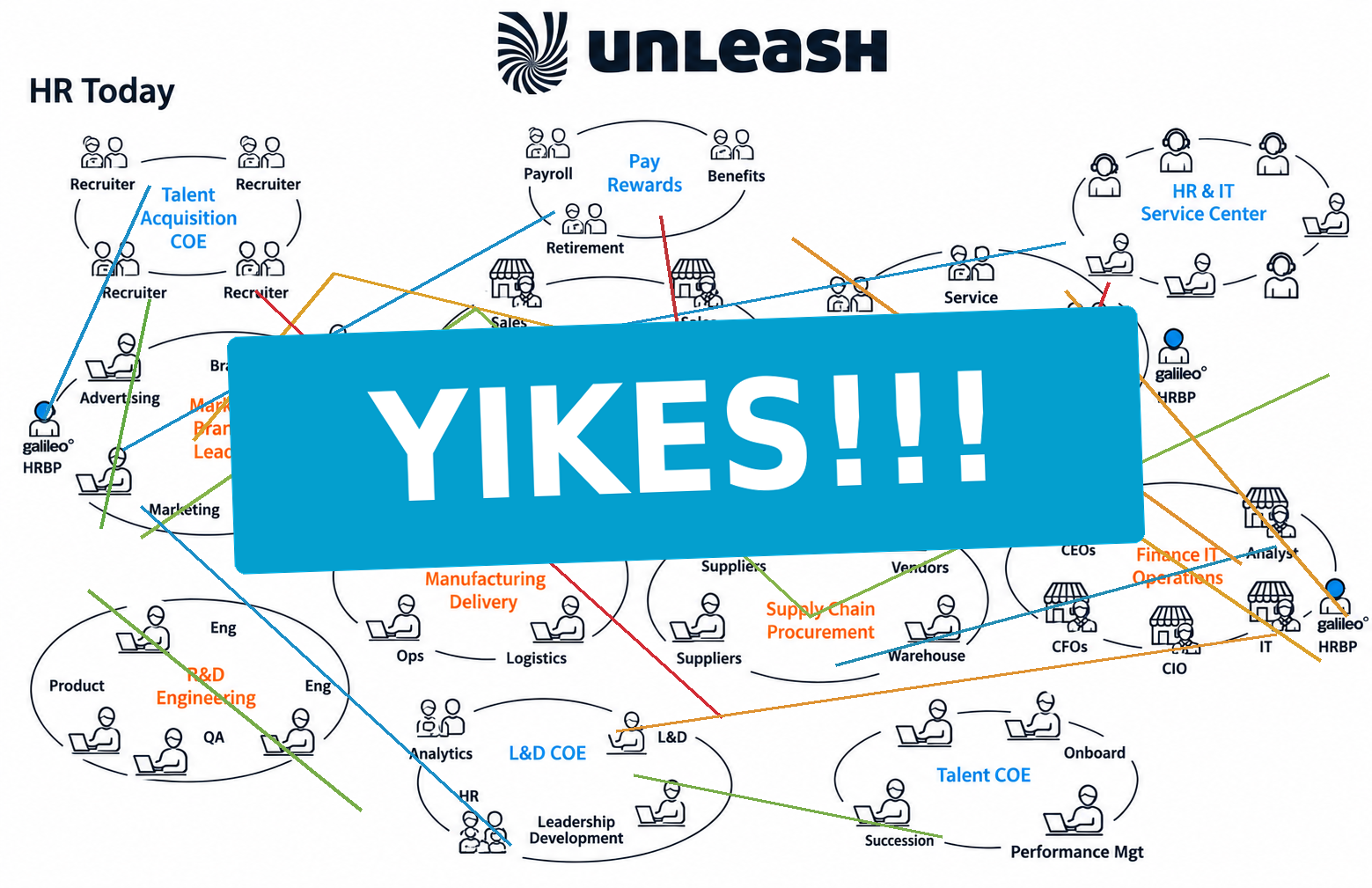
HR 2030: Josh Bersin on HR’s past and future
From shrinking labour markets and AI-powered employees to an HR function run by interconnected digital agents, Josh Bersin took us through the past, present and future of HR at UNLEASH in Paris.
6–10 minutes -

Flexible Working Requests Get a Reasonableness Test, and Records Will Carry the Weight
Refusing flexible working requests will need a written, reasoned file from autumn 2027, and the Acas consultation on the code is open until 17 December.
4–7 minutes -

AI is starting to redraw the org chart: four companies changing how work gets done
Within three days, HENNGE launched a company with no dedicated employees, BMW set out plans for 20% leaner management structures, Millennium expanded personalised AI twins and Whitbread described AI as its “third workforce”. Together, they offer a glimpse of what happens when AI moves from being a tool inside a job to becoming part of the organisation itself.
4–7 minutes
Most Read
Get it in your inbox
The EMEX weekly newsletter — insight for HR leaders every Thursday.
Advertisement