Workers trust an AI chatbot more than your workplace wellbeing programme
New data: workers hide distress and confide in AI chatbots instead. What that means for your workplace wellbeing programme, and six actions for HR leaders.
By Esther Smith
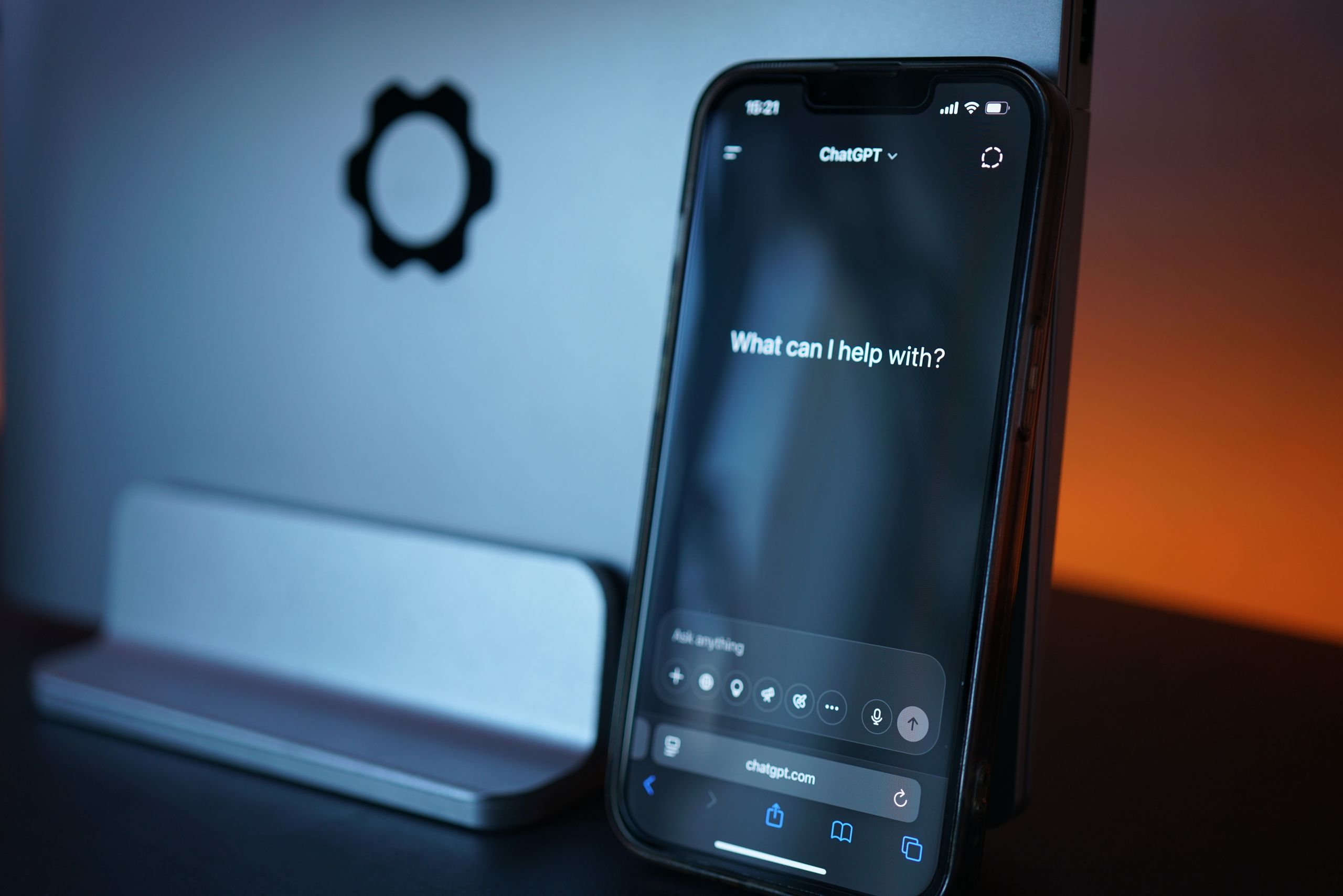
At 8.14pm, Maya opens an AI chatbot and types three paragraphs about her manager, her workload and the panic she feels before Monday mornings. She doesn’t message HR. She doesn’t book an appointment through the employee assistance programme. She wants an immediate response without creating a record at work.
Maya is a composite rather than a real employee. Her choice is the one workplace wellbeing programmes are losing to every night.
The chatbot replies within seconds. She knows it isn’t a therapist. She also knows it won’t look disappointed, change her performance rating or mention the conversation in a leadership meeting.
That choice sits at the heart of new data from Founder Reports, a business content site. It surveyed 2,000 employed US adults in July 2026. The questions covered work-related strain, honesty with managers, employer mental health support, AI chatbot use and concealment.
The results show a workforce managing distress out of sight.
Workplace wellbeing is showing up as concealment
Three figures deserve attention.
- 75.2% of workers did at least one thing to hide work-related distress in the past year.
- Only 10.8% told a manager or HR representative.
- 38.8% called in sick and gave a fake reason.
Among workers under daily stress, fake sick days rise to 52.3%, against 38.8% across the sample as a whole.
That should change how leaders read absence data. A sick day can represent illness, recovery or an urgent personal need. It can also represent a worker who sees honesty as more dangerous than deception. Absence figures therefore understate the problem they are meant to reveal, and they understate it most in the teams under the heaviest pressure.
When employees conceal strain, leaders lose early information about workload, team behaviour and poor management. HR sees the later effects instead: missed deadlines, conflict, mistakes and resignations.
A credible workplace wellbeing strategy has to account for the behaviour that comes before formal help-seeking. Employees close their calendar, invent a reason for leave, or work around an unmanageable manager. None of that appears in a workplace wellbeing dashboard.
The findings don’t prove that distrust causes concealment. They do show a strong connection between strain, low internal disclosure and private coping.
As stress rises, workers swap their manager for a chatbot
Founder Reports calls the pattern the “trust crossover”.
As work stress rises, comfort confiding in a manager falls from 26.6% to 12.3%. Comfort confiding in an AI chatbot rises from 9.2% to 28.9%. The two lines cross.
Chatbots offer availability, privacy and predictability rather than understanding. An employee can open a browser at midnight. They don’t need to explain why they want help, wait for an appointment or judge how a manager will react.
The limits need stating. A chatbot cannot replace qualified human support, clinical care or organisational accountability. The survey doesn’t show that chatbots are clinically safe, or that AI causes concealment.
The useful finding is simpler. Employees choose the fastest and least exposed route when internal support feels risky.
Support cannot work when employees cannot find it
Workplace wellbeing provision also has a discoverability problem.
38.8% of workers say their employer offers no mental health support. A further 11.2% aren’t sure whether support exists. Half the sample therefore either sees nothing or cannot identify it.
A programme can exist in a benefits portal and still be functionally absent. Employees may not know whether an employee assistance programme covers counselling. They may not know who receives their information, whether their manager finds out, or how to reach help after hours.
Usage reflects that uncertainty. Only 10.7% of workers have ever used employer mental health support, against 42.6% who have used an AI chatbot to talk through work stress. That is close to four to one.
Benefit usage stays almost flat as stress rises, moving from 21.8% to 23.0%. AI use climbs from 38.3% to 52.9% over the same range.
A workplace wellbeing programme that shows no lift in usage among the most stressed employees needs investigating. Look at the route in, the language describing it, the perceived confidentiality, and the time between asking for help and reaching a human.
This guide to supporting employee mental health makes the same point from another angle. Support needs clear communication, trained managers and confidential access.
Psychological safety has a measurable business shape
Women report higher weekly or daily work-related strain than men, 50.0% against 43.7%. They also report more fake sick days, 41.0% against 35.6%.
Aggregate figures hide that. It is worth testing whether workload, caregiving pressure, manager behaviour and fear of judgement land differently across groups in your own data.
Seniority carries a second warning. Leaders conceal distress at almost the same rate as individual contributors, 76.7% against 76.0%. They turn to AI more often, at 50.2% against 39.3%.
Senior people do have more access to services. They also manage reputation, performance expectations and the pressure to appear composed.
Roughly one in five workers carries weekly or daily distress with no formal support, no internal person to talk to and no AI outlet. That group belongs at the centre of workplace wellbeing planning.
Six actions for CEOs and HR leaders
1. Make support easy to find. Put every route on one page: the EAP, occupational health, private healthcare, crisis contacts and external services. State what each one does, who can use it, whether it runs out of hours and what the employer sees.
2. Explain confidentiality in practical terms. Employees need more than the word “confidential”. Explain who sees usage data, what happens when someone raises a safeguarding concern, and whether managers receive individual details. Trust grows when the boundaries are visible.
3. Train managers to respond without judgement. Managers need a short, reliable first response: listen, acknowledge, ask what support the employee wants, explain the routes. Our reporting on the mental load falling on managers shows why they need time and clear escalation alongside the training.
4. Offer a rapid human route. Set a service standard for first contact. Give employees a direct booking link or phone number, and avoid several approval steps before they can speak to someone.
5. Measure awareness as well as usage. Track whether employees know support exists, understand confidentiality and can reach a person without unnecessary effort. High usage alone doesn’t prove a healthy culture, and low usage doesn’t prove that employees feel well.
6. Examine concealment alongside absence. Review fake reasons for absence, repeated short absences, cancelled meetings and overtime spikes at team level. Handle it carefully, because a surveillance system built around distress will make concealment worse. Our guide to excessive absenteeism argues for examining the reason behind absence rather than treating attendance as the whole story.
Use AI as a bridge, never the safety net
Employees will keep using AI tools because they are immediate, familiar and easy to reach. Governance beats pretending they don’t exist.
Set clear rules for personal and work-provided AI services. Tell employees what they must never enter into a public chatbot. Explain how the organisation handles data, prompts and records, and make clear that an AI response doesn’t replace professional help.
Every AI rollout needs an employee correction window, and that applies twice over when employees may use AI in sensitive situations. Give workers a way to report harmful outputs, request human review and raise concerns without retaliation.
The central test for workplace wellbeing remains human trust. Can an employee find help quickly, speak without fear of judgement, and expect a manager to respond constructively?
Where the answer stays uncertain, employees will keep choosing the channel that feels safest at 8.14pm.
Read the Founder Reports Workplace Wellbeing Report and walk your own employee mental health support journey from the worker’s point of view.
Related Articles
-

Extra annual leave tops UK workers’ benefits wish list, SD Worx finds
Almost half of UK employees surveyed want additional days off as a workplace benefit, while only 17% currently receive them, according to new SD Worx research. Extra annual leave has emerged as the most wanted workplace benefit among UK employees surveyed by SD Worx, highlighting a sizeable gap between what workers value and what employers…
2–3 minutes -

The Questions That Help Managers Coach Themselves
A story about how insightful questions can turn everyday working experience into a source of self-coaching Shane was an analyst. He solved problems for a living and was good at it. When a management role came up, he seemed a natural fit. But managing people was a different kind of problem. There were frustrations and…
5–7 minutes -

Why business leaders must rebuild the first rung of the career ladder
Much has been written about whether AI will replace graduate jobs. It’s an important debate that deserves serious attention but from where I sit as a CEO, I believe we’re at risk of focusing on the symptom rather than the cause. The challenge facing young people entering the workforce began long before generative AI arrived. Over…
4–5 minutes
Most Read
Get it in your inbox
The EMEX weekly newsletter — insight for HR leaders every Thursday.
Advertisement