Why Culture Budgets Are Moving from Perks to Performance
TeamBonding founder David Goldstein on how to give culture budgets a purpose this fall, from choosing what teams need to practice to measuring what changes afterward.
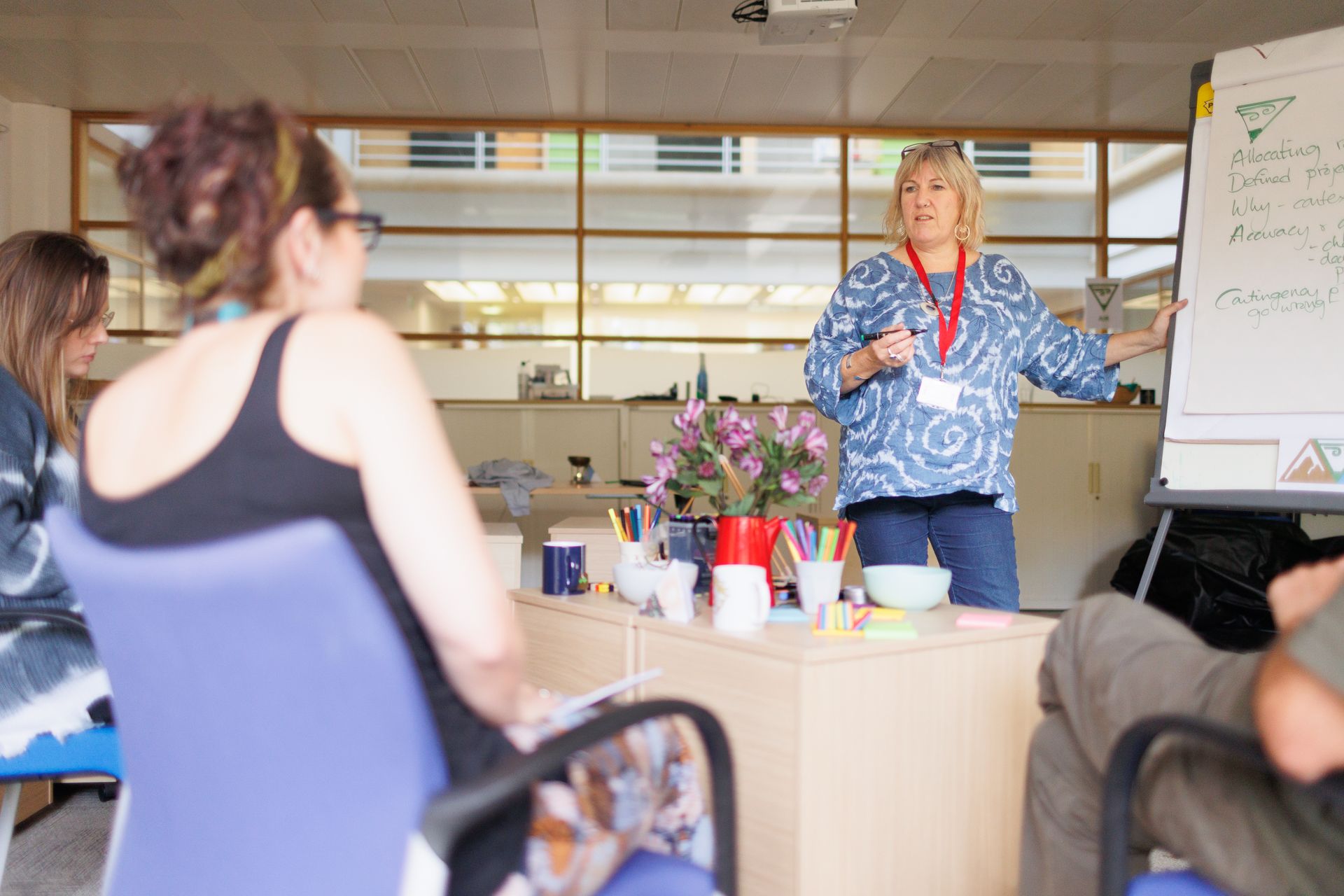
A full office doesn’t necessarily mean an engaged team. Neither does a low turnover rate.
People can stay at a company and still stop contributing ideas, asking questions, or putting energy into their relationships with coworkers. Keeping employees matters. So does giving them a reason to care about the work and the people they do it with.
After more than 35 years of bringing teams together, I’ve learned that you can’t judge a workplace culture by how many people show up. You have to look at what happens once they’re there.
As leaders review their budgets this fall, that’s a useful place to start. Are you spending money on things employees enjoy for an afternoon, or experiences that help them work better together afterward? There’s room for both. But they serve different purposes.
Keep the Perks. Give Team Development a Purpose.
I’m not going to argue against a good lunch or a company celebration. Having fun together has value. I’ve built a business around that belief.
But a catered lunch won’t resolve a communication problem between departments. A happy hour won’t teach a manager how to handle a difficult conversation. And another office amenity won’t help employees who feel uncomfortable asking for help.
Before choosing an activity or training program, identify what your team needs to practice. Do people struggle to give useful feedback? Do the same two voices dominate every meeting? Are departments working toward competing priorities?
Those questions give your investment a purpose.
Communication, listening, leadership, and conflict resolution are often called “soft skills.” There’s nothing soft about the consequences when they’re missing. They affect how decisions get made, how problems get solved, and how much time people spend fixing avoidable misunderstandings.
Give People a Place to Practice
You can tell employees to collaborate. You can put the word “trust” on a wall. Neither gives them much practice.
A well-designed team experience creates an opportunity to try something together, make adjustments, and see how their behavior affects the group.
In a collaborative challenge, someone may notice that the team rushed ahead without listening. Someone else may discover that a quieter colleague had the solution all along. Those moments give people something specific to discuss.
The conversation afterward matters as much as the activity. What helped us? What got in our way? Where does this happen at work?
That’s how purposeful play becomes useful learning. People leave with a shared experience and a practical change they can bring into their next meeting or project.
Make It Safe to Speak Up and Follow Through
Teams need to be able to ask questions, admit mistakes, and disagree respectfully. When people worry about being embarrassed or blamed, useful information can stay unspoken.
Structured team experiences can give employees a lower-pressure setting to practice speaking up and trying unfamiliar approaches. But one event cannot create psychological safety on its own.
Leaders have to reinforce it afterward. How do you respond when someone challenges your idea? What happens when an employee flags a problem? Do you welcome honest feedback, or make people regret giving it?
Employees pay attention to those responses. The experience opens the conversation; everyday leadership makes it credible.
Use the Fall Reset to Address a Real Need
Fall can offer a useful moment to reconnect after summer schedules and get clear about year-end priorities.
Start with a simple question: What would help this team work better over the next few months?
Maybe a growing team needs stronger relationships. Maybe managers need practice giving feedback. Maybe two departments need to understand each other’s responsibilities before a busy season.
Build the experience around that need. Then choose one or two behaviors to carry forward, such as clearer project handoffs, more balanced participation in meetings, or asking for help earlier.
Measure What Happens Afterward
If you want a return on culture spending, decide what progress should look like before you spend the money.
Participant feedback tells you whether people enjoyed the experience. Follow-up tells you whether it helped.
Thirty or sixty days later, ask employees and managers what has changed. Are responsibilities clearer? Are issues being raised earlier? Are teams following through on the commitments they made?
You don’t need to attach a dollar figure to every interaction. You do need to know whether your investment addressed the problem you started with.
Culture budgets can support celebration, connection, and development. The opportunity is to be more intentional about each. Give people an enjoyable experience, something useful to practice, and the support to keep using it.
That’s an investment with a purpose beyond the day itself.
David Goldstein is the founder of TeamBonding and author of Beyond Trust Falls: The Definitive Guide to Building Teams That Click. He has spent more than 35 years creating experiences that bring people together. His work explores how purposeful play helps teams build trust, communicate more effectively, and work better together.
Related Articles
-
Is time running out for the employee engagement survey?
Employee engagement surveys have dominated HR for decades. Culture15 founder Charlie Coode argues behaviour may be a better measure for the AI era.
5–7 minutes -
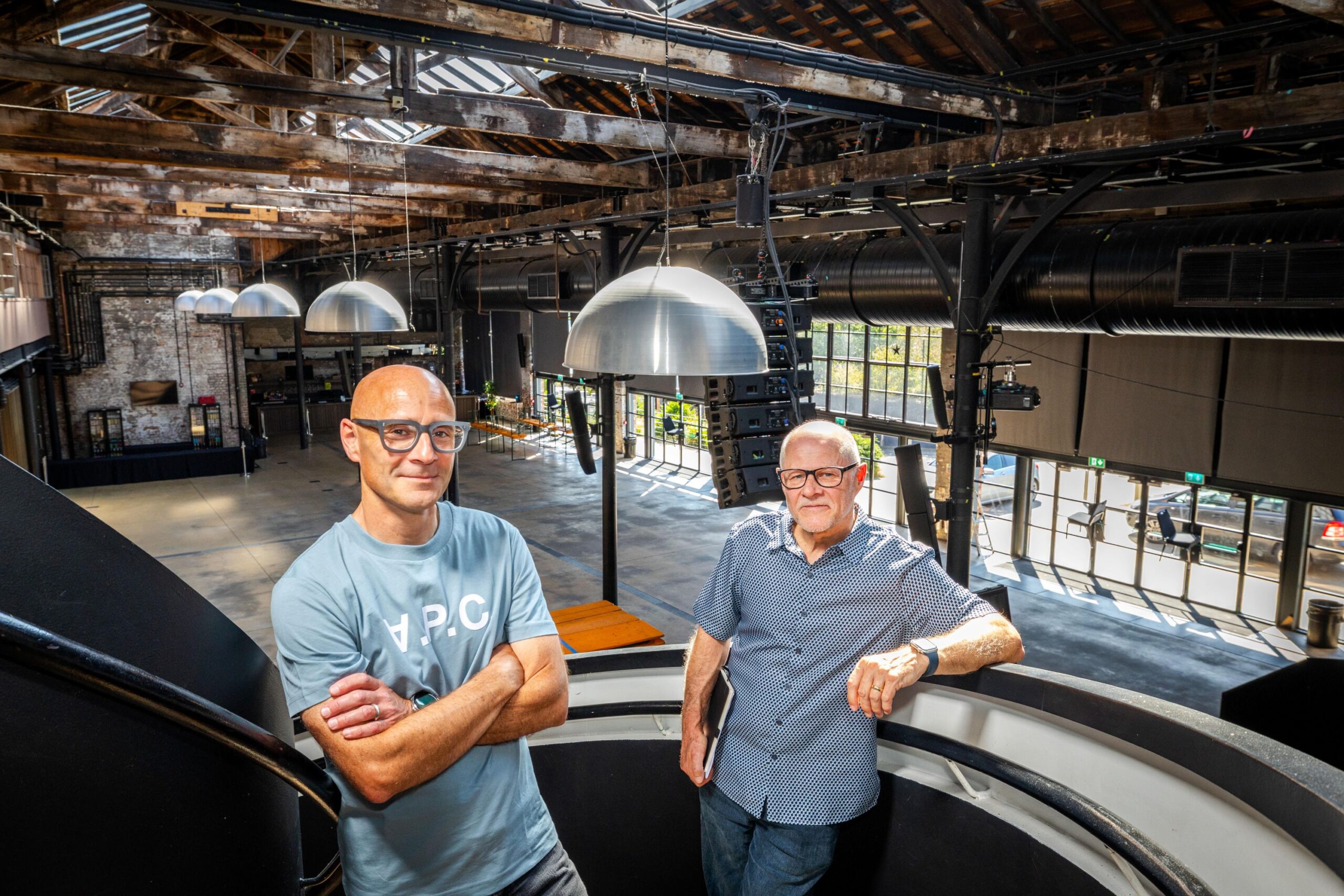
Work Beyond Walls – Enough with the return-to-office debate; what if we ran a live experiment?
Work Beyond Walls turns Newcastle’s Boiler Shop into a live workplace experiment, asking what makes an office worth the journey.
3–5 minutes -

The recognition gap: are we solving for the right thing?
There is a familiar moment in employee experience work when the engagement survey closes. The comments are read, themes are lifted into a narrative, and it is no great surprise when recognition surfaces as one of them. What usually follows is a hive of activity around recognition programmes. Either a relaunch of the one that…
4–6 minutes
Most Read
Get it in your inbox
The EMEX weekly newsletter — insight for HR leaders every Thursday.
Advertisement