HR Value Chain Model – UPDATED 2025 – A Complete Guide
The HR Value Chain Model is an important practice for organizations as it demonstrates how the benefits from Human Resources processes contribute towards the achievement of organizational goals.

The HR Value Chain Model is an important practice for organizations as it demonstrates how the benefits from Human Resources processes contribute towards the achievement of organizational goals. This model helps HR teams convince the business management about their contributions to the overall growth of the company. It not only shows the value of HR but also constitutes a framework for analytics.
In this guide, let us try to learn in detail about the HR Value Chain Model, how it is used and how it is implemented along with some examples to help you understand it better.
HR Value Chain Model – A Complete Guide

The HR Value Chain model is an important tool that shows how the HR department adds value to business goals. It is a known fact that HR struggles to demonstrate value in most organizations. One reason is that every organization is unique. What works for one organization may not work for another. Another reason is that it is difficult to show value in a practical way. The HR value chain model aims to solve this problem.
The HR value chain is a process that depicts how outcomes associated with HR activities and practices lead to organizational goals. It shows that the department has several processes and activities that result in HR outcomes which in turn contribute to organizational objectives.
- HR Activities & Processes – Some of the most important examples of HR activities include Employee Relations, Manpower Forecasts, Training & Development, Compensation, and Organizational Development. These activities are measured with the help of efficiency metrics like Cost of Hire, Learning budget, Number of candidates per post, Time to hire, Number of vacancies, etc. While these metrics are great at gauging how efficient HR activities are, they don’t express the outcomes in terms of quality.
- HR Outcomes – These activities lead to HR outcomes which are measured as KPIs. Some of the examples include Employee engagement, turnover, retention, Individual and Team performance, Absenteeism rate, Quality of hire, etc. Such metrics give useful insight into how the workforce is doing.
- Organizational Outcomes – HR outcomes are not sufficient; a business wants to make an impact on the organizational goals in the end. The strategic goals are measured in terms of Productivity, Profit, Customer satisfaction, Market capitalization, Customer loyalty, and more. Such outcomes add value to an organization and make the business profitable in the long run.
HR Value Chain In Action – What To Expect?
Implementing an HR value chain model demands creating a chain of people and processes. It involves analytics that links what the HR teams do to add value to the business. Here are a few components of the HR value chain in practice.
- HR Enablers – The influencers in the business that facilitate proper HR processes like design, marketing, and budgeting.
- HR Activities – They are the tasks involved in HRM including recruitment, development, planning, and compensation.
- HR Outcomes – These are the measures of metrics such as engagement, retention, cost, performance, and talent monitoring.
- Strategic Focus – It is an analysis of HR strategy that feeds into metric measurement as well as HR outcomes.
- Key Performance Indicators – KPIs are monitored as three different types – customer-focused, financial, and process KPIs. HR outcomes serve the process of monitoring and the data get fed into the outcomes.
As an example, consider increasing a company’s budget for training as an HR process. If it results in better workforce performance, it is an HR outcome. But when the performance boost leads to increased sales, it proves the connection between HR outcome and organizational objective.
Another example is fair compensation to employees as an HR process. It can result in better retention which is an HR outcome. This can, in turn, result in cost reduction which is an organizational objective. Positive relationships between HR practices, outcomes, and organizational goals eventually lead to recognition of HR value in the organization.
HR Value Chain Templates
An HR value chain template helps highlight a variety of topics including different aspects of HR operations like career development, retention, and recruitment. It also helps use analytics for different components of the HR value chain. These templates eliminate unnecessary hassle, time, and energy spent on creating a framework that the HR team requires for implementing the HR value chain model.
Popular HR Value Chain Examples

The HR value chain is a three-step process that starts with HR activities and tries to demonstrate the impact on the overall organizational goals. There are three levels of HR teams in organizations based on how they perceive the HR value chain model. Let us try to understand these with the help of an example. Consider a goal of improving learning within the company.
A level 1 organization is the one that allocates more learning & development budget to employees, thinking that better-trained employees can benefit the business more. A level 2 organization not only allocates more budget but also follows up by verifying whether the investment pays off. They take steps to measure knowledge retention and find out whether it results in improved employee performance. If they don’t note the desired outcome, they modify their training programs to optimize return.
A level 3 organization handles this situation differently. It understands that the budget was increased as the company wanted to become more profitable. It will take the steps taken by the level 2 organization and test how the KPIs are impacted. It will only get satisfied once it sees a positive relationship between the KPIs and the budget.
Final Thoughts
The HR value chain model provides a crucial practice to articulate the value Human Resources delivers to an organization. Though it is not always easy to put an HR model into practice, when done right, it benefits the entire workforce and helps achieve the organizational
Further Reading
Genetic Testing in the Workplace
Top 10 Change Management Books
Horizontal Job Loading
Winners Triangle
Related Articles
-
Is time running out for the employee engagement survey?
Employee engagement surveys have dominated HR for decades. Culture15 founder Charlie Coode argues behaviour may be a better measure for the AI era.
5–7 minutes -
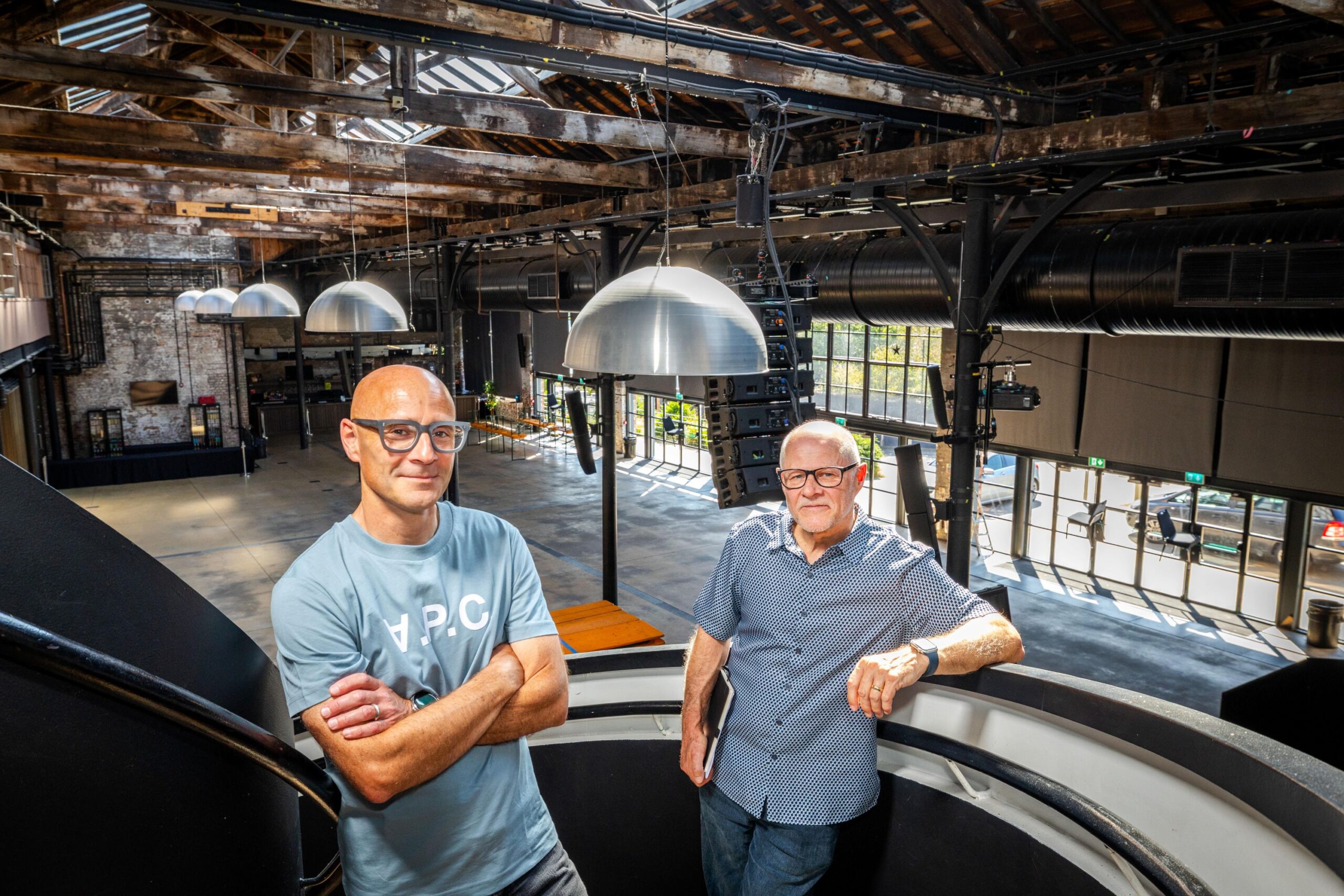
Work Beyond Walls – Enough with the return-to-office debate; what if we ran a live experiment?
Work Beyond Walls turns Newcastle’s Boiler Shop into a live workplace experiment, asking what makes an office worth the journey.
3–5 minutes -

The recognition gap: are we solving for the right thing?
There is a familiar moment in employee experience work when the engagement survey closes. The comments are read, themes are lifted into a narrative, and it is no great surprise when recognition surfaces as one of them. What usually follows is a hive of activity around recognition programmes. Either a relaunch of the one that…
4–6 minutes
Most Read
Get it in your inbox
The EMEX weekly newsletter — insight for HR leaders every Thursday.
Advertisement