Company Culture of Apple: The Good, the Bad, and the Ugly
Apple is one of the most desired employers in the world. What are the good aspects of its company culture of Apple?

Apple is one of the most desired employers in the world. But what makes it so special? What are the good aspects of its company culture, and what are the bad ones? And why is it so valued by workers? Let’s take a closer look.
Apple has always been one of the most sought-after employers in Silicon Valley. The company is notoriously secretive, with Steve Jobs once saying that he wanted to “put a ding in the universe.” But what does it mean to be part of this exclusive club? Here’s an inside look at Apple’s culture, with everything included – both the good and the bad.
The Good
When most people think of Apple’s company culture, they think of the stringent rules and regulations that employees are expected to follow. These are definitely strict, but they also come with a number of benefits.
For one, they create a sense of order and discipline within the company. This has always been important to Apple, and it helps employees stay focused on their work.
Another benefit of the company culture of Apple is the intense focus on innovation. This is something that has always been a core value for the company, and it has helped them to become one of the most successful corporations in the world.
Employees are constantly encouraged to come up with new ideas, and they are given the resources necessary to make them a reality. In the end, it is this focus on innovation that has helped Apple to maintain its competitive edge throughout all these years.
Apple employees enjoy a plethora of benefits, from stock options to free gym memberships. Apple is also a very generous company—in addition to better-than-average salaries and benefits, the tech giant has been known to offer flexible hours as well as paternity and maternity leave. Employees are given the opportunity to work on ground-breaking products, and the vast majority find incredible joy in their daily work.
Apple also has a “late-start” policy for its employees: those who work after 7 p.m. receive an extra 7 1/2 hours on top of their already-generous 40-hour weeks, and starting times can be as flexible as 8:30 or 9 a.m.
The Bad
While Apple does offer some great perks to its workers, it’s important to remember that the company is first and foremost driven by profits — the $4 billion the company made in the fourth quarter of 2021 wasn’t a fluke!
Its employees are expected to work around the clock if necessary, so those late-start times may not always happen. And while paternity leave offered by Apple is good, the company only provides half of one’s salary for those first eight weeks.
Apple has also been caught ignoring labor laws on more than one occasion: in 2013 and 2014, Apple and other tech companies paid a settlement fee after they were sued for conspiring not to poach each others’ workers. Apple was forced to pay $450 million as part of this settlement.
The management-by-objective style of Apple’s company culture can stifle creativity and productivity. While employees are encouraged to think outside the box, there is a fine line between creative thinking and reckless behavior.
Employees who bring too many new ideas to the table will often find themselves facing reprimand from their managers. This can be very discouraging for some workers and may prevent them from bringing forth any innovative ideas in the future. It also creates a passive work environment that is not always open to suggestions or constructive criticism.
The Ugly
One word: working conditions. While not directly employed by Apple, employees who work at manufacturing sites where Apple products are made have reported being exposed to toxic chemicals without proper training or protective gear—some have reportedly died from leukemia as a result.
Also, there have been reports of underage interns working illegal overtime hours in Foxconn factories, so it’s important to remember that while Apple’s products might be sleek and shiny, they don’t come from fairy dust.
If you think that’s bad, then try working in the supply chain department. Not only are production schedules extremely tight, but they are often illegal under international law as well.
Abuse of human rights has been widespread throughout Chinese factories making Apple products, with many employees reporting long hours and poor working conditions.
The Verdict – Company Culture of Apple

So what should you make of the company culture of Apple? While the good definitely outweighs the bad at this point, there is still a long way to go before Apple can truly be described as an exemplary place to work at.
However, if it has maintained its status as one of the most coveted employers in Silicon Valley for so many years, then they certainly are doing some things right. And with Tim Cook at the helm, it looks like the company is constantly improving.
Further Reading
Company Culture at Google
Company Culture at Netflix
How to Help Your Employees Succeed
Related Articles
-
Is time running out for the employee engagement survey?
Employee engagement surveys have dominated HR for decades. Culture15 founder Charlie Coode argues behaviour may be a better measure for the AI era.
5–7 minutes -
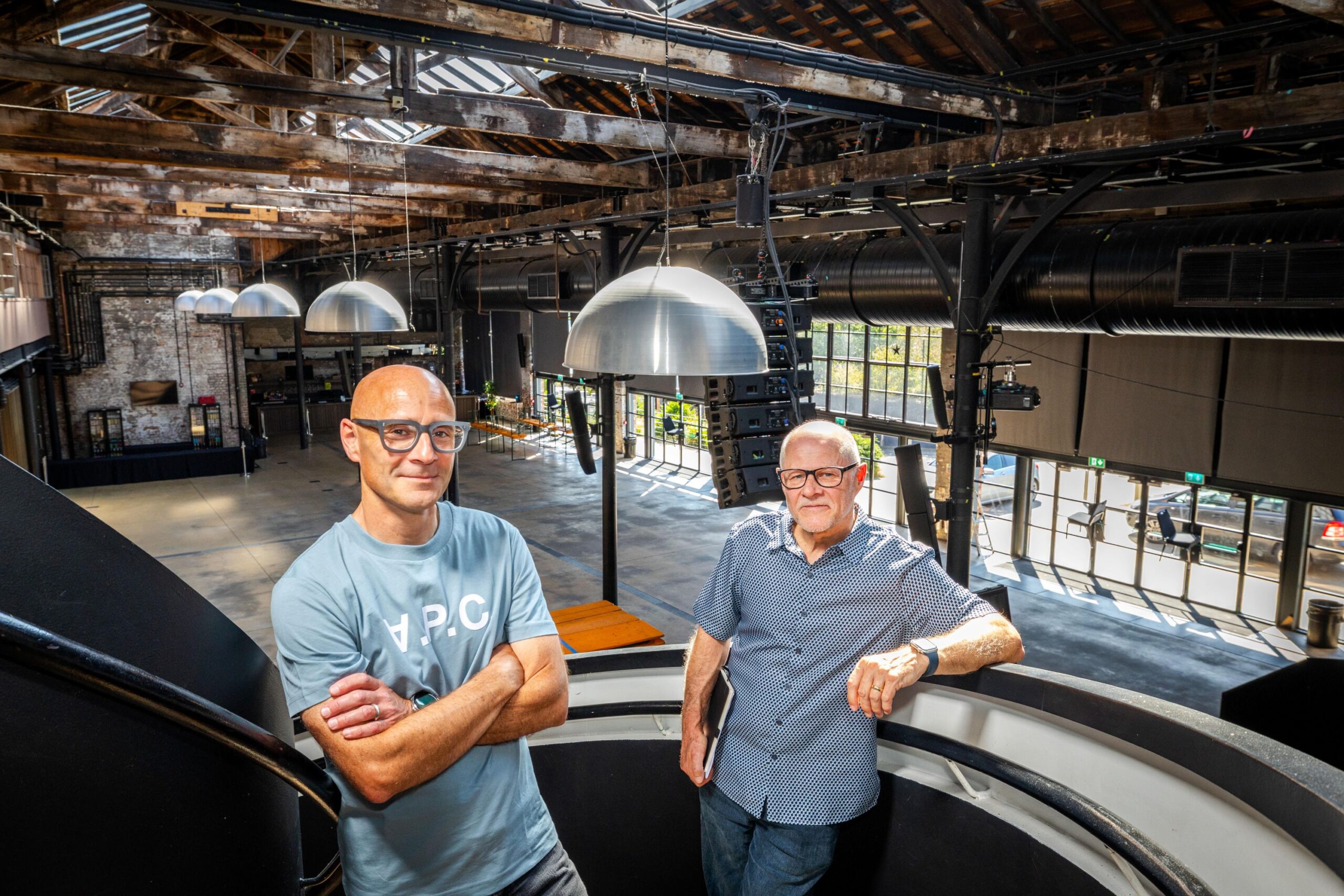
Work Beyond Walls – Enough with the return-to-office debate; what if we ran a live experiment?
Work Beyond Walls turns Newcastle’s Boiler Shop into a live workplace experiment, asking what makes an office worth the journey.
3–5 minutes -

The recognition gap: are we solving for the right thing?
There is a familiar moment in employee experience work when the engagement survey closes. The comments are read, themes are lifted into a narrative, and it is no great surprise when recognition surfaces as one of them. What usually follows is a hive of activity around recognition programmes. Either a relaunch of the one that…
4–6 minutes
Most Read
Get it in your inbox
The EMEX weekly newsletter — insight for HR leaders every Thursday.
Advertisement